
Coolers are lifesavers during camping trips, tailgates, and backyard cookouts, but once the season winds down, they tend to become bulky clutter that takes over a corner of the garage or closet. If you have ever tripped over a cooler while searching for holiday decorations, you already know the problem.
The good news is that storing coolers does not require a major renovation. With a bit of planning and the right storage system, you can free up floor space, protect your coolers from damage, and keep them ready to grab the moment adventure calls. Below are six practical, tested storage strategies for homes of any size, along with product picks and quick answers to common questions.
Modular Storage Units
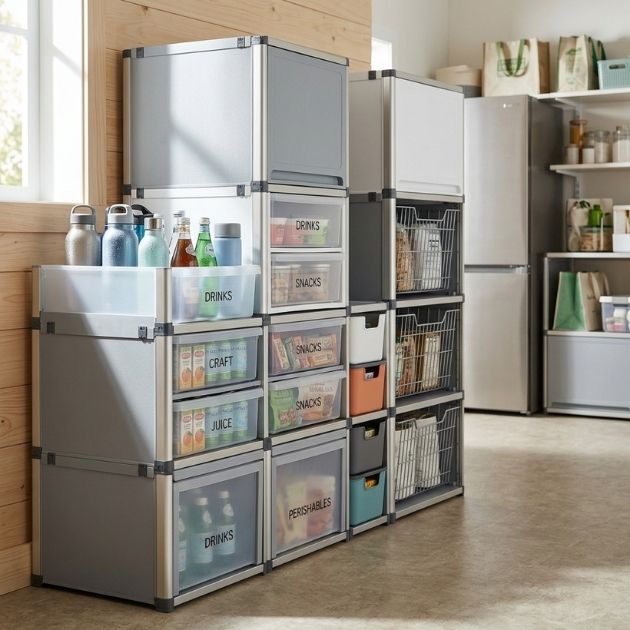
Modular storage units are one of the most flexible ways to organize coolers because they adapt to different sizes and shapes. Instead of committing to a single fixed shelf, you can add, remove, or rearrange cubes and panels as your storage needs change throughout the year.
This approach works especially well if you own multiple coolers, such as a small lunch cooler and a large rolling chest cooler for weekend trips. A modular system lets you dedicate a wider slot for bulky items and a narrower one for compact coolers, without wasting empty space.
Possibly helpful picks:
- Adjustable modular shelving units with removable panels
- Stackable storage cubes rated for heavy loads
- Wall-mounted modular track systems for garages
Vertical Shelving in the Garage
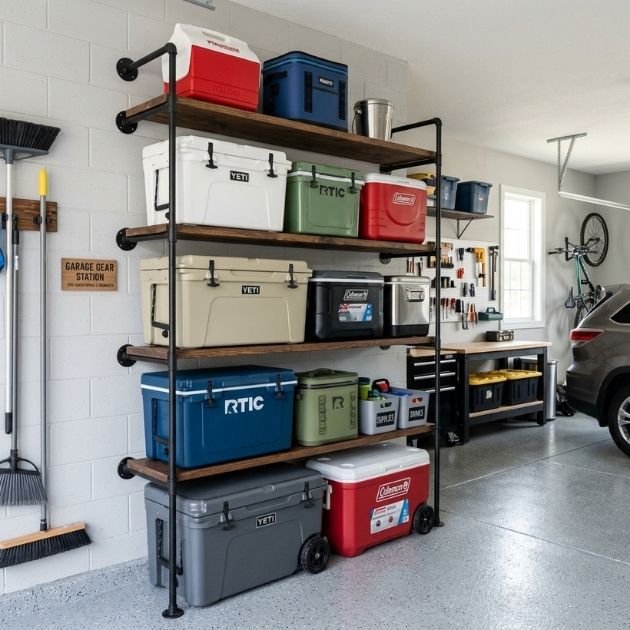
Garages often have plenty of unused vertical space near the ceiling or along side walls. Installing tall, sturdy shelving lets you store coolers up high, out of the way of vehicles and foot traffic, while keeping floor space open for parking or workbenches.
Heavy duty steel shelving is a smart investment here because coolers, especially hard sided ones, can be surprisingly heavy when combined with ice packs or gear left inside. Label each shelf level by size or season so you always know where to find the right cooler quickly.
Possibly handy products:
- Heavy duty steel garage shelving units
- Overhead ceiling storage racks
- Adjustable wire shelving with wall brackets
Under-Bench Storage
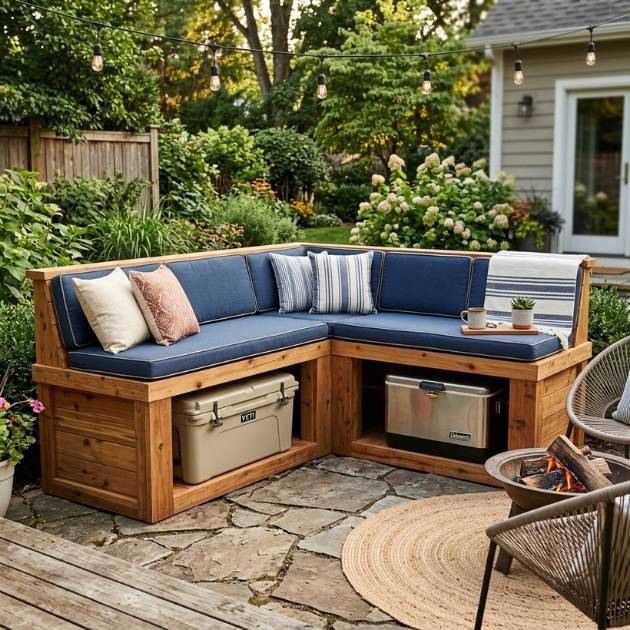
If you have a patio, mudroom, or entryway bench, the space underneath is often wasted. Converting it into cooler storage keeps smaller coolers within easy reach for spontaneous outdoor gatherings while doubling as functional seating.
This setup works particularly well for compact coolers used for quick trips to the park or beach. Choose a bench with a removable cushion or hinged lid so loading and unloading stays simple, and consider weatherproof options if the bench sits outdoors.
Some handy options:
- Storage benches with hinged lids
- Bench cushions with hidden storage compartments
- Weatherproof storage trunks that slide under seating
Convert a Closet
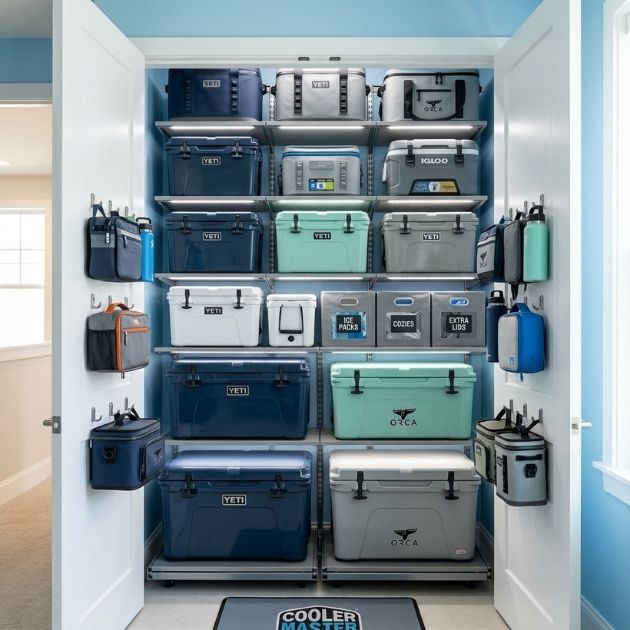
An underused hallway or entryway closet can become a dedicated cooler storage nook with minimal effort. This is ideal for households that do not have garage access or simply want their coolers close to the kitchen for quick loading before a trip.
Start by removing unnecessary items, then install an adjustable shelving system sized to fit your largest cooler. Adding a battery powered light strip makes it easier to see inside dim closets, and stackable bins keep smaller accessories like ice packs and bottle openers from getting lost.
These products might help:
- Adjustable closet organizer systems
- Battery operated LED closet lights
- Stackable storage baskets for accessories
Stackable Bins
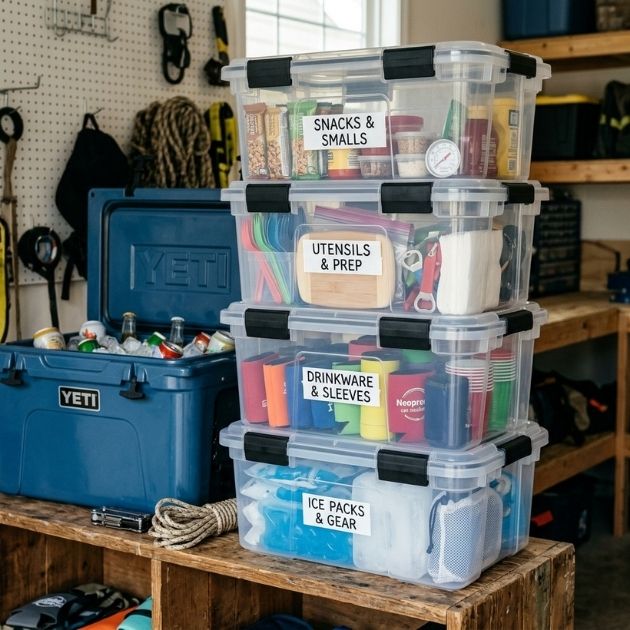
Stackable bins are one of the simplest upgrades for cooler storage, particularly for accessories rather than the coolers themselves. Ice packs, cooler liners, drink koozies, and packing straps can quickly become disorganized clutter without a dedicated system.
Clear, heavy duty bins let you see contents at a glance, which saves time when you are packing in a hurry. Stacking them vertically also means you can store more items in the same footprint, whether in a garage, pantry, or closet.
Useful items to consider:
- Clear heavy duty stackable storage bins
- Labeled bin organizers for small accessories
- Collapsible bins for seasonal rotation
Corner Shelving Solutions
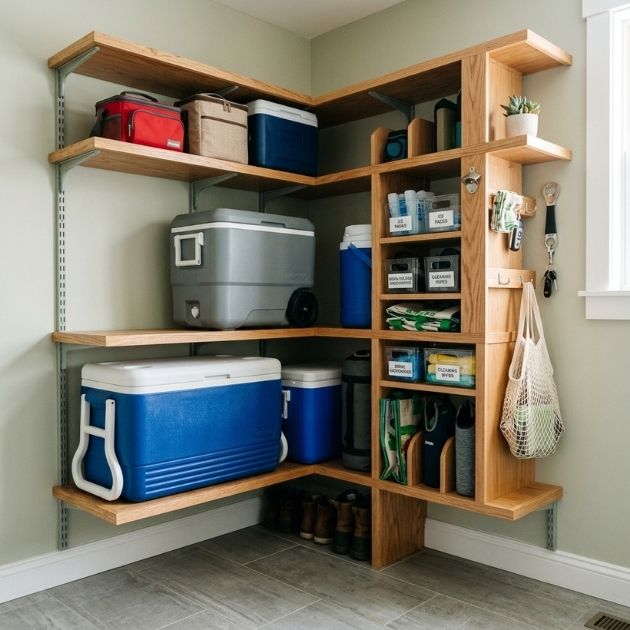
Corners are among the most overlooked areas in garages and storage rooms. A well built corner shelf takes advantage of otherwise wasted space and can hold one or more coolers without interfering with walkways or parked vehicles.
Wooden corner shelves add a warmer, more finished look if the garage doubles as a workshop or hangout space, while industrial metal corner units prioritize durability and weight capacity. Either option turns dead space into functional storage.
Consider these options:
- Wooden corner shelf units
- Heavy duty industrial corner shelving
- Triangular floating corner shelves
Final Thoughts
Finding the right storage solution for your coolers comes down to matching the system to your space and how often you use each cooler. Frequently used coolers deserve an easy to reach spot, such as under a bench or in a closet, while seasonal or oversized coolers are better suited to garage shelving or overhead storage.
Whichever method you choose, the goal is the same: a tidy, organized home where coolers are protected, accessible, and never in the way. Start with one area, such as a single garage shelf or closet, and expand your system as needed.
Frequently Asked Questions
Where is the best place to store a cooler at home?
A dry, temperature stable area such as a garage, closet, or covered patio works best, as long as the cooler is kept away from direct sunlight and moisture.
Should coolers be stored open or closed?
Store hard sided coolers open or with the lid slightly ajar to prevent trapped moisture and mildew buildup.
How do I stop my cooler from smelling musty in storage?
Clean and fully dry the cooler before storing it, then place an open box of baking soda inside to absorb odors.
Can I stack coolers on top of each other?
Yes, as long as the bottom cooler is sturdy and empty, though a shelving system is safer for long term stacking.
How much space do I need for garage cooler storage?
Most standard coolers need about two to three feet of shelf depth and width, so measure your largest cooler before installing shelving.