
Gardeners searching for color before summer heat arrives often overlook one simple truth: some of the toughest, most rewarding blooms thrive in cool weather. Cool flowers extend the growing season, fill gaps between winter and summer, and reward patience with earlier, longer-lasting color.
This guide covers everything from hardy annuals and frost-tolerant blooms to rare and unusual flowers, along with sowing calendars, zone recommendations, and care tips you can use this season.
Quick Answer: What Are Cool Flowers?
Cool flowers are plants that germinate, grow, and often bloom best in cooler temperatures, typically between 35°F and 65°F. Many tolerate light frost and some even prefer cold soil for germination.
They are usually planted in fall or very early spring, well before the last frost date. This head start allows roots to establish before hot weather triggers stress or bolting.
Popular examples include snapdragons, sweet peas, larkspur, pansies, and ranunculus.
Beautiful Flowers: At A Glance
Cool flowers fall into a few overlapping categories. Understanding the differences helps you plan a garden that blooms in stages rather than all at once.
Hardy Annuals
Plants that self-sow or survive light frost, often planted in fall for spring blooms.
Cold Hardy Flowers
Perennials or biennials that tolerate freezing temperatures once established, such as hellebores and primroses.
Frost-Tolerant Flowers
Blooms that survive a light frost without damage, though hard freezes may still harm them.
Unique Flowers
Rare or unusual blooms valued for their shape, color, or novelty appeal in gardens and bouquets.
Beautiful Flowers
Classic garden favorites chosen for color, fragrance, and reliable performance.
Cool Season Flowers Vs Cool Looking Flowers
These two terms are often confused, but they mean very different things.
| Term | Meaning | Example |
| Cool season flowers | Plants that grow best in cooler temperatures | Sweet pea, pansy |
| Cool looking flowers | Plants valued for unusual appearance regardless of season | Passionflower, bat flower |
A flower can be both cool season and cool looking, but not every unusual bloom tolerates cold.
What The Cool Flowers Method Means
The Cool Flowers method, popularized by gardening author Lisa Mason Ziegler, refers to planting hardy annuals in fall instead of spring.
This approach lets roots develop through winter, resulting in stronger, earlier-blooming plants once temperatures rise. It is widely used by cut flower farmers to extend the harvest season.
Key principles of the method include:
- Sowing hardy annuals four to six weeks before the first fall frost
- Choosing varieties bred to tolerate cold soil
- Using row covers or cold frames in harsh climates
- Skipping fertilizer heavy in nitrogen during fall establishment
Hardy Annuals Vs Tender Annuals
Not all annuals behave the same way in cold weather.
| Feature | Hardy Annuals | Tender Annuals |
| Frost tolerance | Survives light to moderate frost | Dies at first frost |
| Planting time | Fall or early spring | After last frost |
| Root development | Strong, deep roots | Shallow until warm weather |
| Examples | Larkspur, snapdragon | Zinnia, marigold |
Mixing both types in a garden plan creates continuous blooms from early spring through fall.
List Of Cool Flowers
Below is a curated breakdown of cool flowers by purpose, so you can choose based on your garden goals.
Best Cool-Season Flowers
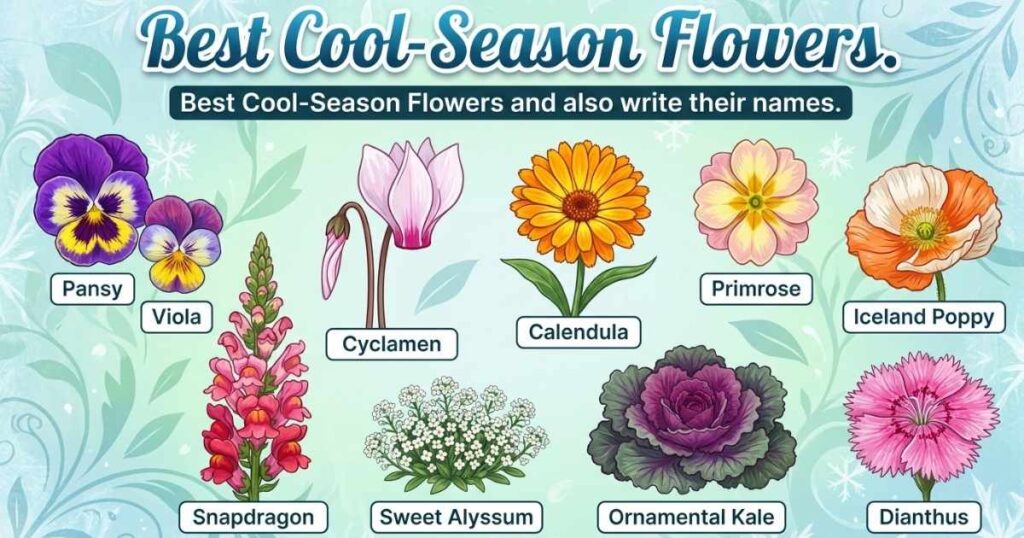
- Snapdragon
- Sweet pea
- Stock
- Calendula
- Pansy
Best Hardy Annuals For Cutting Gardens
- Larkspur
- Bells of Ireland
- Scabiosa
- Bupleurum
- Orlaya
Best Cold Hardy Or Early Spring Flowers
- Hellebore
- Primrose
- Iceland poppy
- Viola
- Pansy
Best Rare And Unique Flowers
- Bat flower
- Ghost orchid
- Corpse flower
- Passionflower
- Monkey orchid
Best Classic Beautiful Flowers
- Peony
- Rose
- Dahlia
- Delphinium
- Foxglove
Top 25 Cool-Season Flowers With Growing Notes
Each flower below includes practical notes for successful growing.
Snapdragon
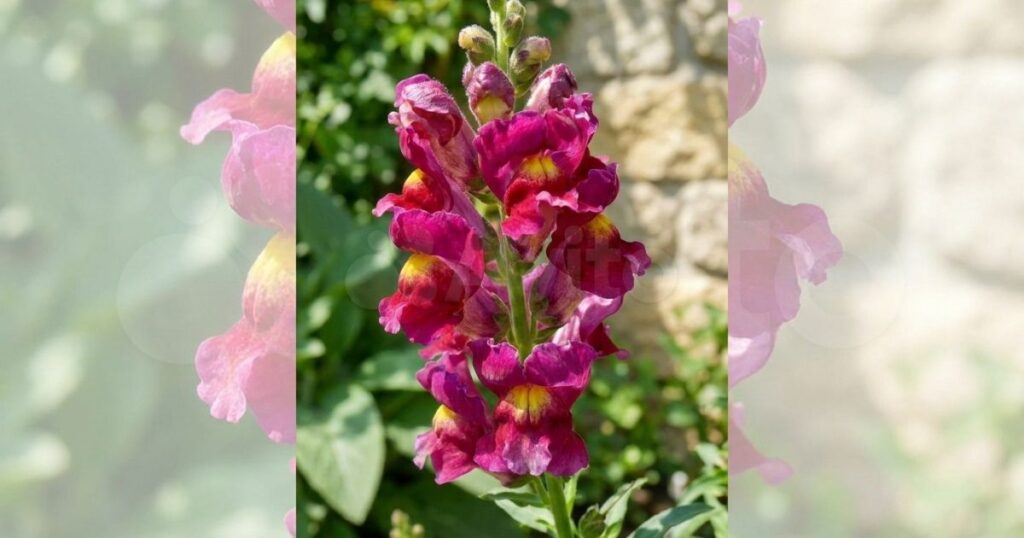
Snapdragons tolerate light frost and rebloom if trimmed after the first flush.
- Sow indoors 8 to 10 weeks before last frost
- Prefers full sun to part shade
Larkspur
Larkspur seeds need cold stratification and dislike transplanting.
- Direct sow in fall or early spring
- Avoid disturbing roots once seedlings emerge
Sweet Pea
Sweet peas need cool roots and a sunny top for best blooms.
- Soak seeds overnight before sowing
- Provide a trellis early
Stock
Stock offers strong fragrance and tolerates light frost.
- Sow indoors 6 to 8 weeks before last frost
- Grows best in cool, humid conditions
Calendula
Calendula is edible, easy, and self-sows readily.
- Direct sow after light frost risk passes
- Deadhead to extend blooming
Pansy
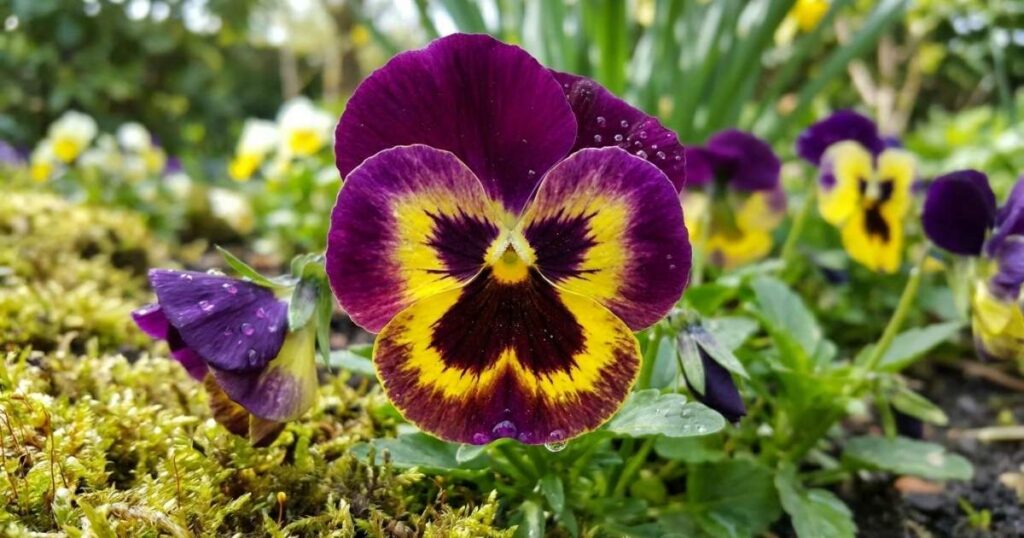
Pansies bloom in cool weather and often survive mild winters.
- Plant in fall for winter and spring color
- Prefers moist, well-drained soil
Viola
Violas are smaller than pansies but equally cold hardy.
- Great for containers and borders
- Reseeds easily in mild climates
Bachelor’s Button
Also called cornflower, this hardy annual attracts pollinators.
- Direct sow in fall or early spring
- Tolerates poor soil
Nigella
Nigella, or love-in-a-mist, has delicate blooms and ornamental seed pods.
- Direct sow, as it dislikes transplanting
- Self-sows readily
Poppy
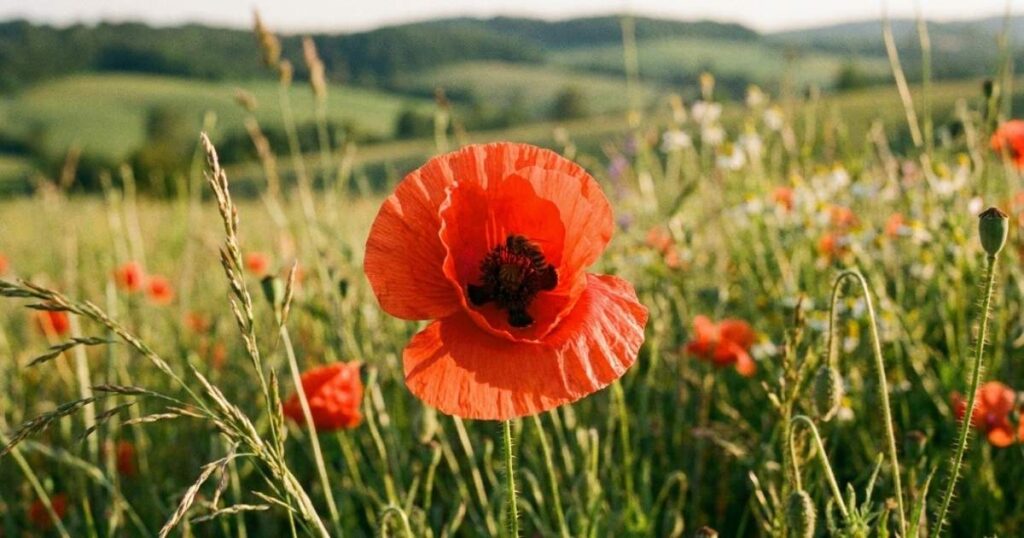
Poppies need cold stratification and light to germinate.
- Sow directly on soil surface
- Avoid covering seeds with soil
Cornflower
Cornflower is cold hardy and excellent for pollinators.
- Direct sow in early spring or fall
- Full sun preferred
Bupleurum
A favorite filler flower for bouquets due to its chartreuse tone.
- Direct sow or start indoors
- Tolerates light frost
Bells Of Ireland
Known for tall green spires, bells of Ireland need cold stratification.
- Chill seeds in the refrigerator before sowing
- Slow to germinate
Orlaya
Orlaya, or white lace flower, is a hardy annual with delicate blooms.
- Direct sow in fall for best results
- Prefers cool temperatures
Scabiosa
Scabiosa, or pincushion flower, blooms over a long season.
- Start indoors or direct sow
- Deadhead regularly
Ammi
Ammi resembles Queen Anne’s lace and is popular in cutting gardens.
- Direct sow in fall or early spring
- Needs support in windy areas
Feverfew
Feverfew is a hardy, low-maintenance filler flower.
- Self-sows aggressively
- Tolerates poor soil
Foxglove
Foxglove is a biennial that blooms its second year.
- Sow in early summer for next year’s blooms
- All parts are toxic if ingested
Delphinium
Delphinium prefers cool summers and rich soil.
- Start indoors for best germination
- Stake tall varieties
Iceland Poppy
Iceland poppy blooms early and tolerates frost well.
- Direct sow in fall in mild climates
- Needs excellent drainage
Primrose
Primrose blooms in very early spring, sometimes through snow.
- Prefers partial shade
- Divide clumps every few years
Hellebore
Hellebores bloom in winter and early spring, even in snow.
- Plant in shade with rich, well-drained soil
- Long-lived perennial
Dianthus
Dianthus, including carnations, tolerates cold and offers fragrance.
- Direct sow or start indoors
- Prefers alkaline soil
Columbine
Columbine thrives in cool spring temperatures and part shade.
- Self-sows readily
- Attracts hummingbirds
Lupine
Lupine needs cold stratification and well-drained soil.
- Direct sow in fall
- Avoid heavy clay soil
Cool Flower Types And Exotic List
Beyond common hardy annuals, some cool-season and cold-tolerant flowers stand out for their unusual traits.
- Fritillaria, with checkered petal patterns
- Corydalis, valued for blue tones in shade
- Anemone coronaria, prized for jewel-toned blooms
- Ranunculus, known for layered, rose-like petals
- Camassia, a native bulb with spiky blue flowers
Best Hardy Annual Flowers
Hardy annuals differ in how they are best started, which affects planning.
Direct Sow Choices
- Larkspur
- Poppy
- Bachelor’s button
- Nigella
Indoor Start Choices
- Snapdragon
- Stock
- Delphinium
Flexible Choices
- Calendula
- Sweet pea
- Scabiosa
Best Cold Hardy Flowers
Cold hardiness varies by species and maturity level.
Handles Cool Weather Well
- Pansy
- Viola
- Calendula
May Handle Light Frost When Established
- Snapdragon
- Dianthus
- Stock
Needs Protection In Harsh Cold
- Ranunculus
- Anemone
- Sweet pea in zones below 6
Most Beautiful Flowers And Pretty Flowers For Gardens And Bouquets
Classic beauty often comes from color, form, and fragrance combined.
- Peonies for lush, romantic blooms
- Roses for timeless appeal
- Dahlias for bold, structured petals
- Ranunculus for delicate, layered texture
- Foxglove for dramatic height
Cute Flower For Soft Garden Color
Small, soft-toned blooms like sweet alyssum, violas, and forget-me-nots add gentle color without overwhelming a bed.
Best Unique Flowers
Unique flowers stand out due to shape, texture, or rarity rather than typical bloom form.
- Bells of Ireland, for architectural green spires
- Nigella, for its wispy, thread-like foliage
- Bupleurum, for unusual chartreuse tones
- Scabiosa stellata, for its papery seed heads
- Amaranthus, for cascading tassel-like blooms
Rare Flowers In The World
Some flowers are rare due to limited habitat, difficult propagation, or slow growth cycles.
| Flower | Why It Is Rare |
| Ghost orchid | Grows only in specific humid habitats |
| Middlemist Red | Only two known plants exist worldwide |
| Kadupul flower | Blooms once a year, only at night |
| Youtan Poluo | Extremely rare and short lived bloom |
| Chocolate cosmos | Nearly extinct in the wild |
Weird Looking Flowers And Flowers That Look Fake But Are Real
Some flowers appear artificial due to their unusual shapes.
- Bat flower, resembling a bat’s face with long whiskers
- Monkey orchid, with a face-like center pattern
- Parrot flower, shaped like a flying parrot
- Naked man orchid, with a distinct humanoid shape
- Hydnora africana, with a strange, fleshy appearance
Bioluminous or glowing plants and flowers.
True bioluminescent flowering plants are extremely rare in nature. Most glowing plant effects seen online are either fungi-based, UV-reactive, or genetically engineered in labs rather than naturally occurring blooms.
Some fungi, like foxfire mushrooms, glow naturally, and scientists have experimented with inserting bioluminescent genes into plants for ornamental research purposes.
Rare Flowers For Home Gardens
While some rare flowers require specialized conditions, a few can be grown by dedicated home gardeners.
- Chocolate cosmos, for its deep maroon color and cocoa scent
- Black bat flower, grown indoors in warm, humid climates
- Corpse flower relatives, such as smaller Amorphophallus species
- Himalayan blue poppy, for cool climate gardens
Exotic Flowers Care Guide
Exotic flowers often need more specific conditions than typical garden plants.
Light
Most exotic flowers need bright, indirect light rather than harsh direct sun.
Warmth
Many require consistent warmth above 60°F, with protection from sudden temperature drops.
Humidity
Tropical exotic flowers often need 50 percent humidity or higher to thrive.
Drainage
Well-draining soil prevents root rot, which is a common cause of failure.
Container Size
Choose containers that allow root growth without excess soil that retains too much moisture.
Winter Protection
Bring tender exotic flowers indoors or use frost cloth before temperatures drop below their tolerance range.
Indoor Flowers That Look Unique
Some unusual flowers grow well indoors with the right setup.
- Passionflower, for intricate, alien-like blooms
- Orchids, for elegant and varied forms
- Bird of paradise, for tropical, sculptural flowers
- Anthurium, for glossy, heart-shaped blooms
Cool Flowers By Color
Color grouping helps with garden design and bouquet planning.
Purple And Blue Cool Flowers
Larkspur, delphinium, viola, and cornflower offer cool-toned shades.
White And Soft Flowers
Sweet alyssum, orlaya, and white stock add softness to garden beds.
Yellow And Orange Flowers
Calendula, Iceland poppy, and pansies bring warmth to cool-season plantings.
Dark Or Near Black Flowers
Black viola, chocolate cosmos, and dark scabiosa add moody depth.
Multicolor Flowers
Pansies, violas, and ranunculus often display multiple colors on a single bloom.
Best Flowers For Garden Aesthetics
Different garden styles call for different flower choices.
Cottage Garden
Sweet pea, larkspur, foxglove, and delphinium suit relaxed, layered plantings.
Minimal Garden
Bupleurum, scabiosa, and single-color pansies fit clean, simple designs.
Dark Or Moody Garden
Black viola, chocolate cosmos, and dark dianthus add drama.
Pollinator Garden
Calendula, cornflower, and columbine attract bees and butterflies.
Unique Flowers For Bouquets And Gifting
Certain flowers add texture and interest to arrangements beyond standard blooms.
- Bells of Ireland for height and structure
- Scabiosa pods for texture after petals fade
- Nigella seed pods for dried arrangements
- Ranunculus for a romantic, layered look
Best Cool Flowers For Pollinators
Early blooming cool flowers provide vital food sources when few other plants are flowering.
- Calendula
- Cornflower
- Primrose
- Columbine
- Hellebore
When To Plant Cool Flowers?
Timing depends on climate and flower type.
Fall Planting
Best for hardy annuals in mild winter climates, allowing roots to establish before spring growth.
Late Winter Indoor Starting
Ideal for seeds needing a head start before transplanting outdoors.
Very Early Spring Direct Sowing
Suited for cold-tolerant seeds that need chilly soil to germinate.
After Frost Danger Passes
Reserved for tender annuals that cannot handle any frost exposure.
Cool Flower Sowing Calendar
| Season | Action | Examples |
| Fall | Direct sow hardy annuals | Larkspur, poppy, bachelor’s button |
| Late winter | Start seeds indoors | Snapdragon, stock, delphinium |
| Early spring | Direct sow cold tolerant seeds | Sweet pea, calendula |
| Late spring | Transplant seedlings outdoors | Started indoor seedlings |
| Summer | Deadhead and succession sow | Repeat blooming annuals |
Fall
Focus on hardy annuals that benefit from cold stratification over winter.
Late Winter
Start tender or slow growing seeds indoors under grow lights.
Early Spring Annuals
Direct sow seeds that tolerate cool soil but not hard freezes.
Late Spring
Transplant hardened off seedlings once soil has warmed slightly.
Summer
Maintain blooms through deadheading and consider succession sowing for fall color.
Fall Planting Vs Spring Planting
Choosing between fall and spring planting depends on your climate and goals.
Fall Planting Works Better When:
- Winters are mild with occasional light frost
- You want earlier, stronger spring blooms
- Seeds require cold stratification
Spring Planting Works Better When:
- Winters are harsh with prolonged hard freezes
- Garden beds are not ready in fall
- You are growing tender annuals alongside hardy ones
Best Cool Flowers By Growing Zone
Zone selection affects which cool flowers perform best.
Zones 3 To 5
Choose extremely hardy options like pansies, primroses, and hellebores that tolerate long, harsh winters.
Zones 6 To 8
Most hardy annuals thrive here, including larkspur, sweet pea, and snapdragon, with fall planting often successful.
Zones 9 To 10
Cool flowers are typically grown as winter annuals since summers are too hot for cool-season blooms.
How To Grow Cool Flowers?
Success with cool flowers depends on timing, soil preparation, and appropriate protection.
- Test soil temperature before direct sowing
- Use row covers during unexpected cold snaps
- Water consistently but avoid soggy soil
- Choose varieties suited to your specific zone
Direct Sow Vs Start Indoors
Some seeds perform better with direct sowing, while others need an indoor head start.
Direct Sow
Best for plants with sensitive roots that dislike transplanting, such as poppies and larkspur.
Start Indoors
Best for slow growing or tender seeds that benefit from controlled early conditions, such as snapdragons and delphinium.
Either Method
Flowers like calendula and sweet pea perform well with either approach, depending on climate.
Which Cool Flowers Need Cold Stratification?
Cold stratification mimics winter conditions to trigger germination.
- Larkspur
- Poppy
- Bells of Ireland
- Lupine
- Delphinium
This can be done naturally through fall sowing or manually by refrigerating seeds for several weeks before planting.
Cold Protection Checklist
Protecting cool flowers during unpredictable weather improves survival rates.
Before Frost
- Mulch around plant bases
- Water soil lightly, since moist soil retains heat better than dry soil
During Frost
- Cover plants with row cover or cloth
- Avoid plastic touching foliage directly
After Frost
- Remove covers once temperatures rise
- Check for damage and trim affected growth
Common Mistakes To Avoid
Even experienced gardeners run into avoidable issues with cool flowers.
Timing Mistakes
- Planting too late for proper root establishment
- Starting tender annuals too early indoors
Plant Choice Mistakes
- Choosing tender varieties for harsh winter zones
- Ignoring stratification requirements
Care Mistakes
- Overwatering during cool, damp weather
- Skipping frost protection during sudden cold snaps
Why Cool Flowers Fail
Understanding common failure points helps prevent wasted effort.
- Poor drainage leading to root rot in cold, wet soil
- Seeds sown too shallow or too deep for their needs
- Lack of hardening off before transplanting
- Extreme temperature swings without protection
FAQ’s
What are the easiest cool flowers to grow for beginners?
Calendula, pansies, and sweet peas are beginner friendly and forgiving of minor care mistakes.
Can cool flowers survive a hard freeze?
Most tolerate light frost, but hard freezes below 28°F can damage even hardy annuals without protection.
Is fall planting better than spring planting for cool flowers?
Fall planting often produces stronger, earlier blooming plants in mild winter climates with proper protection.
Do cool flowers need full sun?
Most prefer full sun, though some like pansies and primroses tolerate partial shade well.
How do I know if a seed needs cold stratification?
Check seed packet instructions, as species like larkspur and poppy typically require it for germination.
Can I grow cool flowers in containers?
Yes, many cool flowers like violas and pansies grow well in containers with good drainage.
What zone is best for growing the widest range of cool flowers?
Zones 6 to 8 generally support the widest variety of hardy annuals and cold tolerant blooms.
Conclusion
Cool flowers offer a simple way to extend color in your garden well beyond the typical summer season. By choosing the right varieties for your zone and planting at the correct time, you can enjoy earlier, stronger blooms with less effort.
Start small, track what thrives in your specific climate, and build your cool flower garden one season at a time.