
If you have ever driven past a Cape Cod home and admired the way it looks so perfectly balanced and full of character, dormers are likely a big reason why. These architectural features are more than just visual accents. They add natural light, usable headroom, and a timeless charm that defines the Cape Cod style. Whether you are renovating an existing home or building from scratch, the right dormer design can transform your roofline and your living space at the same time.
This guide covers the best Cape Cod dormer ideas, from classic gable styles to bold colored glass designs, along with helpful product suggestions to bring each concept to life.
Shingle Siding for a Classic Look
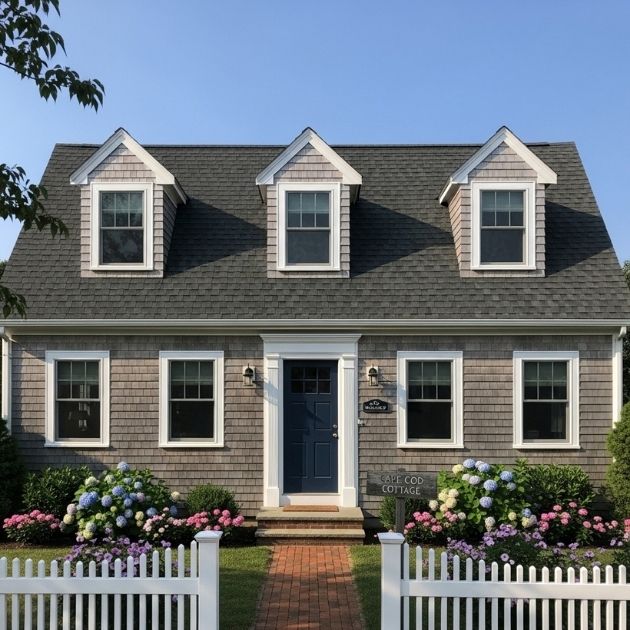
Nothing says Cape Cod quite like cedar shingle siding paired with a well-proportioned dormer. The natural texture of shingles gives the exterior a warm, weathered appearance that fits beautifully with coastal and New England architecture. When applied to dormers specifically, shingle siding helps them blend into the main roofline instead of standing out as an afterthought.
Cedar shingles also age gracefully, developing a silvery gray patina over time that adds authentic character to the home’s facade.
Products that could assist:
- Decorative cedar shingle siding panels for authentic texture
- Exterior wood stain and sealant for long-term weather protection
- Architectural trim molding to frame the dormer cleanly
Dormers with Decorative Shutters
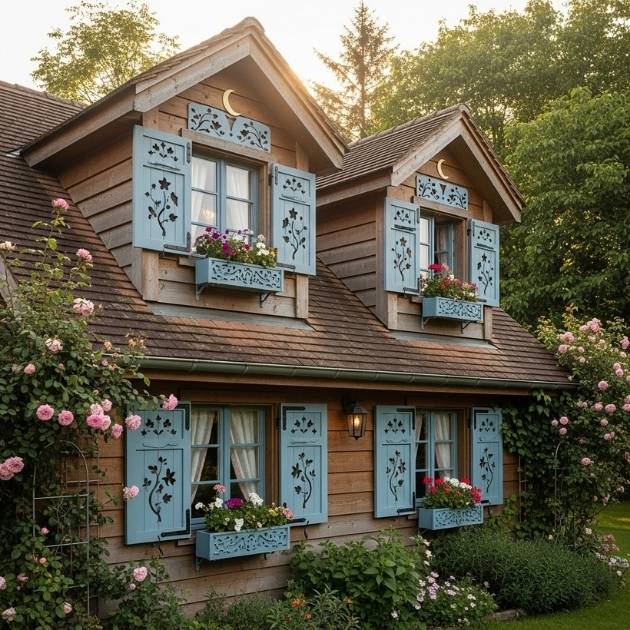
Shutters add instant personality to any dormer window. On a Cape Cod home, louvered or board-and-batten shutters in a contrasting color create a focal point that enhances curb appeal without overwhelming the overall design. Classic colors like navy, black, or forest green look especially sharp against white or cream siding.
Decorative shutters also reinforce the symmetrical, orderly appearance that Cape Cod architecture is known for.
A few relevant products:
- Exterior vinyl or wood shutters in traditional styles
- Shutter hardware including hinges and holdbacks
- Exterior paint in weather-resistant formulas for accent colors
Symmetrical Dormer Placement
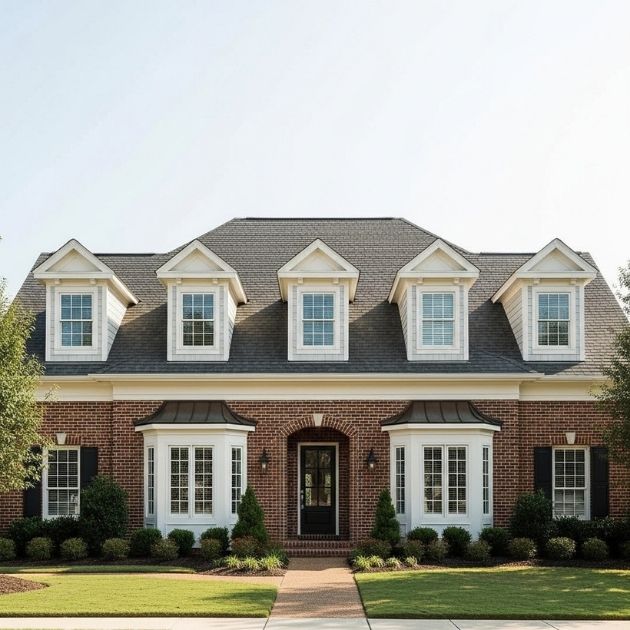
One of the defining traits of Cape Cod architecture is its emphasis on balance and symmetry. When planning dormer placement, aligning them directly above the windows on the main floor below creates a cohesive, organized facade. Most architects recommend placing two dormers of equal size on either side of the roofline’s center point.
This approach reinforces the home’s classic proportions and makes the design feel intentional and well-crafted.
Consider these options:
- Window alignment templates for planning dormer placement
- Exterior architectural rulers and laser levels for precise installation
- Matching double-hung windows to maintain visual consistency
Eco-Friendly Dormer Designs
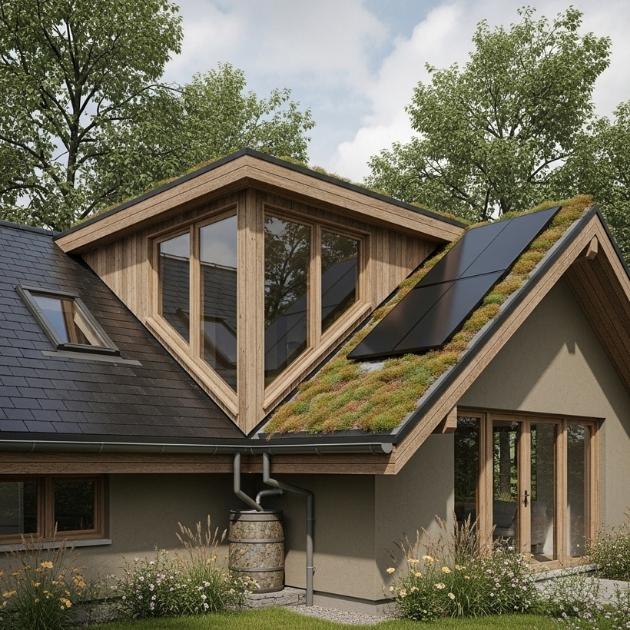
Sustainable design is a growing priority for homeowners, and dormers offer a real opportunity to improve energy efficiency. Installing energy-efficient dormer windows with low-E glass reduces heat gain in summer and heat loss in winter. Pairing them with recycled or sustainably sourced siding materials makes the dormer addition even greener.
Some homeowners also choose to add small solar panels on flat dormer roofs as a way to generate clean energy while maintaining the home’s overall aesthetic.
A few things you might like:
- Low-E double-pane dormer windows for energy savings
- Recycled composite shingle siding products
- Weather-sealing foam tape for improved insulation around frames
Dormers with Unique Window Shapes
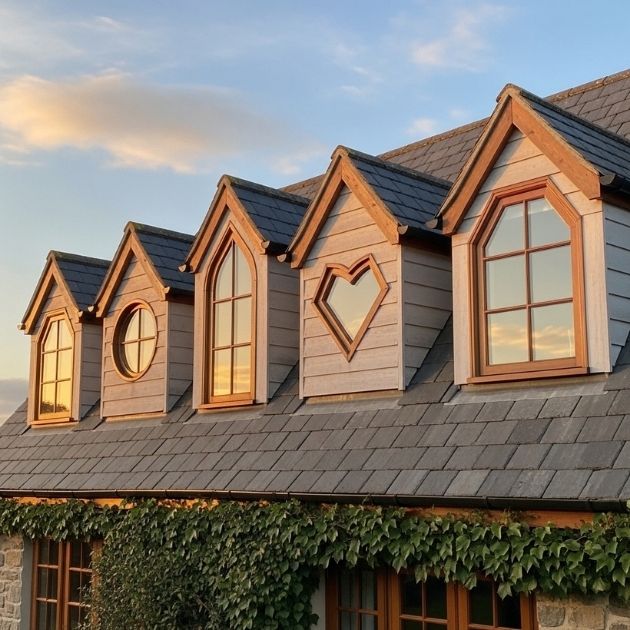
Standard rectangular windows are practical, but arched, oval, or eyebrow-shaped dormer windows give a Cape Cod home a truly distinctive look. An arched top window with a keystone detail feels elegant and slightly formal, while an oval or circular window adds a playful, cottage-like quality.
These unique shapes work best as accent features, often placed at the center of the roofline to draw the eye upward and add architectural depth.
Possibly helpful picks:
- Arched or radius-top casement windows in white vinyl or wood
- Decorative window grilles and mullion inserts for added detail
- Window trim kits with curved profiles to match unique shapes
Extended Shed Dormers
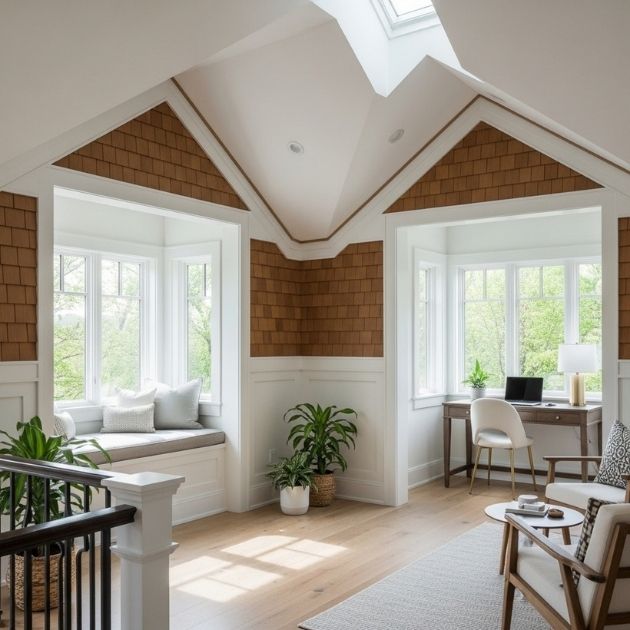
If your main goal is to add usable living space, a shed dormer is the most efficient choice. Unlike individual gable dormers, a shed dormer runs the full width of the roof, dramatically increasing headroom and floor area in one move. This makes it ideal for converting an underused attic into a bedroom, home office, or bathroom.
The shed dormer’s single-sloped roof blends well with Cape Cod homes when the pitch is carefully matched to the existing roofline. It can be concealed from the street-facing side, preserving the home’s original charm while maximizing interior function.
A few suggestions:
- Structural ridge beam hardware for shed dormer framing
- LP SmartSide or fiber cement siding panels for the dormer face
- Skylight inserts to bring additional light into deep shed dormer spaces
Dormers with Interior Seating Nooks
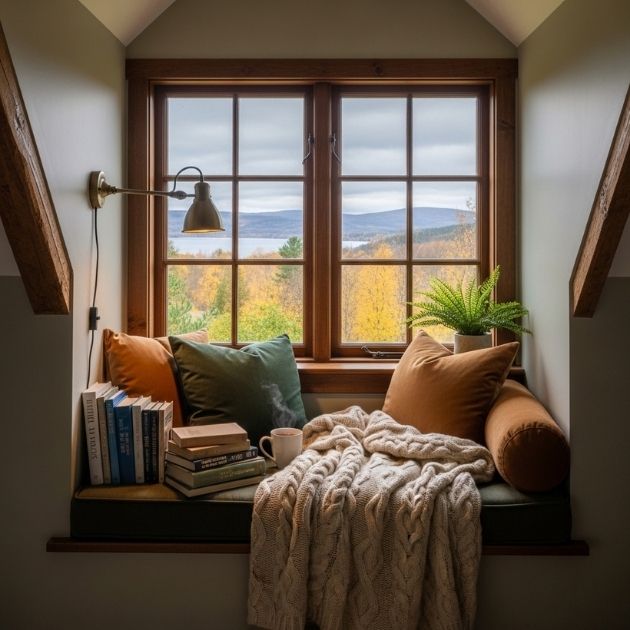
One of the most beloved uses of a smaller Cape Cod dormer is creating a built-in window seat or reading nook beneath it. The recessed space created by the dormer’s depth is perfect for a cushioned bench with storage drawers underneath. These cozy nooks become favorite spots in bedrooms and upper-level sitting areas.
The combination of natural light streaming in through the dormer window and a comfortable seat below creates a retreat-like atmosphere that adds real everyday value to the space.
May just do the trick:
- Custom cushion covers in durable indoor fabric for window seats
- Under-bench storage drawers with soft-close hardware
- Plush throw blankets and decorative pillows for nook styling
Seamless Roofline Integration
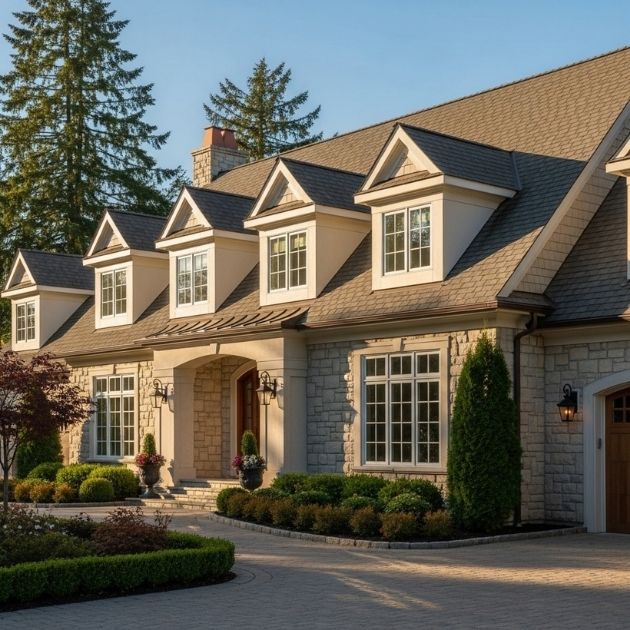
A well-designed dormer should look like it was always part of the home, not added on years later. Achieving seamless roofline integration means matching the dormer’s roof pitch, shingle material, and exterior finish to the existing structure. The flashing details, soffit, and fascia should also align with the home’s original woodwork.
When done well, this approach maintains the timeless elegance of the Cape Cod style while quietly expanding the home’s functionality.
You might like:
- Architectural asphalt shingles in matching color and profile
- Aluminum or copper step flashing for watertight dormer transitions
- Fascia and soffit trim boards in PVC for low-maintenance upkeep
Asymmetrical Dormer Placement
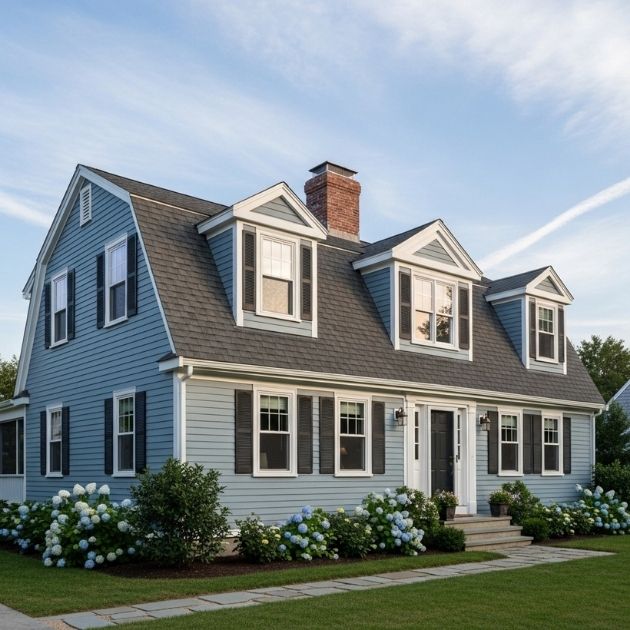
While symmetry is a Cape Cod hallmark, asymmetrical dormer placement offers a contemporary twist on the traditional style. A single large dormer offset to one side, or two dormers of different sizes placed at varying heights, creates a more relaxed and casual roofline that feels fresh without being jarring.
This approach works especially well on homes where interior room layouts make centered placement impractical, turning a functional compromise into a design statement.
Might be a good match:
- Exterior architectural trim molding to add visual weight to offset dormers
- Vertical board-and-batten siding panels for a modern contrast effect
- Custom gutter systems designed to handle asymmetrical roofline drainage
Dormers with Colored Glass
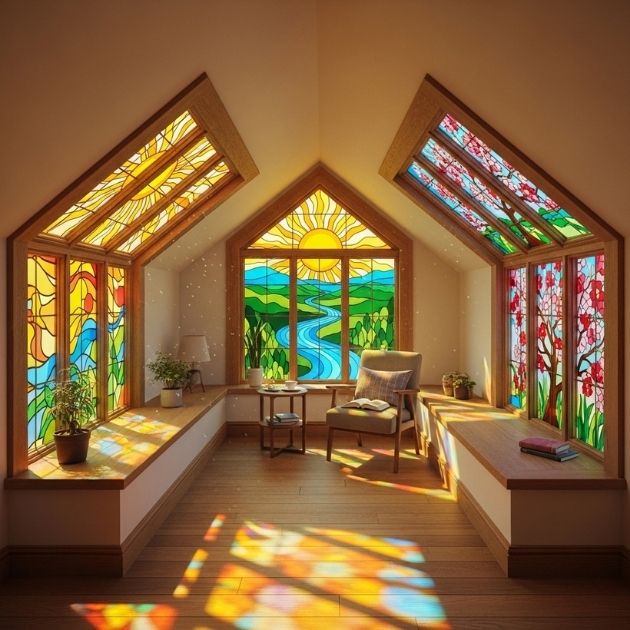
For homeowners who want to make a bold statement, colored or stained glass in a dormer window is an unexpected and enchanting choice. Amber, blue, or soft rose-tinted glass casts beautiful light patterns into the room throughout the day, creating a warm, artistic atmosphere.
This design choice works beautifully in a bedroom or loft space where you want to enhance mood without adding artificial lighting. It also gives the home’s exterior a unique detail that stands out from the neighborhood.
Useful items to consider:
- Stained glass window film for easy, removable color application
- Decorative colored glass panels in custom sizes
- UV-resistant glass paint sets for DIY dormer glass detailing
Hip Roof Dormers for a Unique Profile
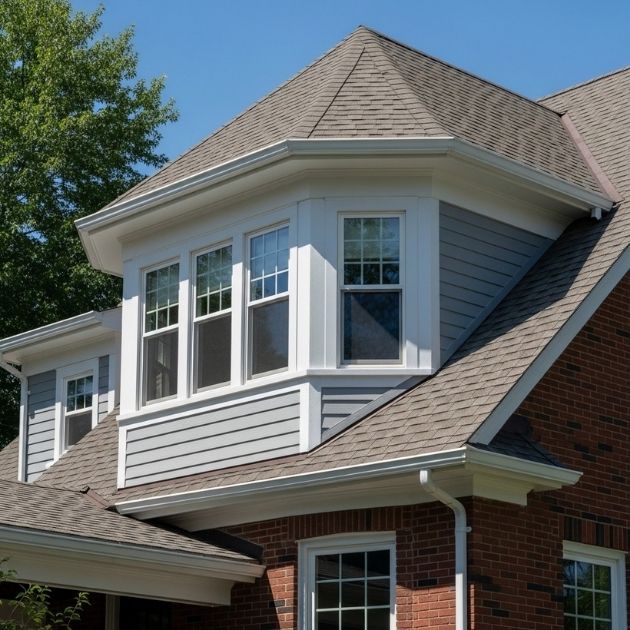
A hip roof dormer features three sloping sides rather than the single gable face of a standard dormer. This gives it a more compact, rounded appearance that works especially well on Cape Cod homes with a prominent central entry or porch. The hip profile is also structurally strong and handles wind and rain runoff efficiently.
Paired with an arched center window, a hip roof dormer above a front porch creates an elegant focal point that defines the entire front elevation.
Give these a look:
- Hip dormer framing kits or pre-cut rafter packages
- Metal roof panels for hip dormer surfaces in standing seam style
- Copper or bronze finials for hip dormer ridge accents
Double Dormers for Extra Light
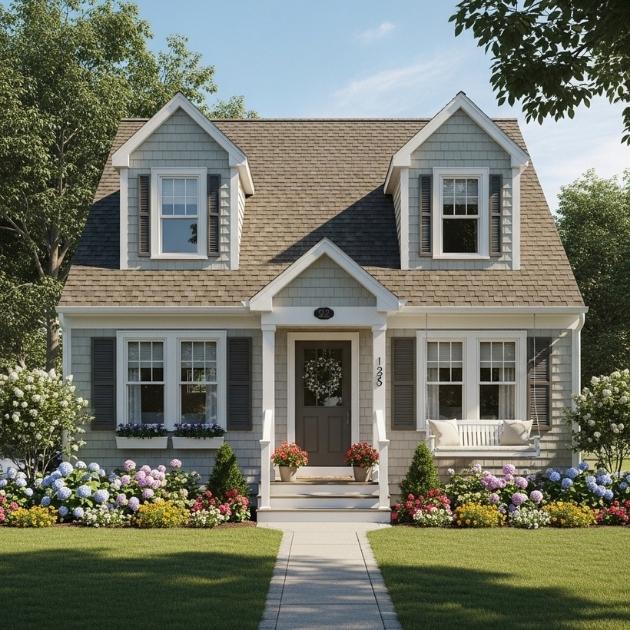
Two dormers placed close together on the same roof face create a double dormer effect that significantly increases the amount of natural light entering the upper level. This configuration is especially useful in bedrooms or home offices where consistent, even lighting is a priority throughout the day.
Double dormers also reinforce the balanced, symmetrical look that makes Cape Cod homes so appealing, particularly when they frame a central chimney or ridgeline feature.
Try these:
- Matching casement or double-hung window pairs for dormer openings
- Interior light shelves or reflective window trim to maximize light diffusion
- White or cream interior finishes to amplify natural light inside the dormer space
Dormer with Balcony Access
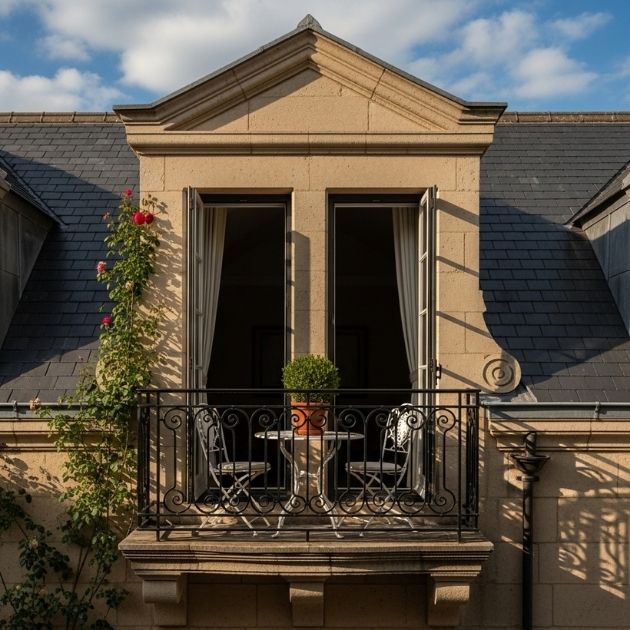
A dormer large enough to include a small balcony or French door exit is a premium feature that adds both outdoor living space and dramatic visual interest. On a Cape Cod home, a dormer balcony typically works best on the rear elevation, preserving the classic front facade while offering a private outdoor retreat upstairs.
This design idea works beautifully in coastal settings where views of the water, garden, or surrounding landscape can be enjoyed from an elevated vantage point.
You might give these a try:
- Narrow wrought iron or cable rail balcony railing systems
- Outswing French doors in fiberglass for durability in coastal climates
- Waterproof composite decking boards for small balcony floors
Through-the-Cornice Dormers
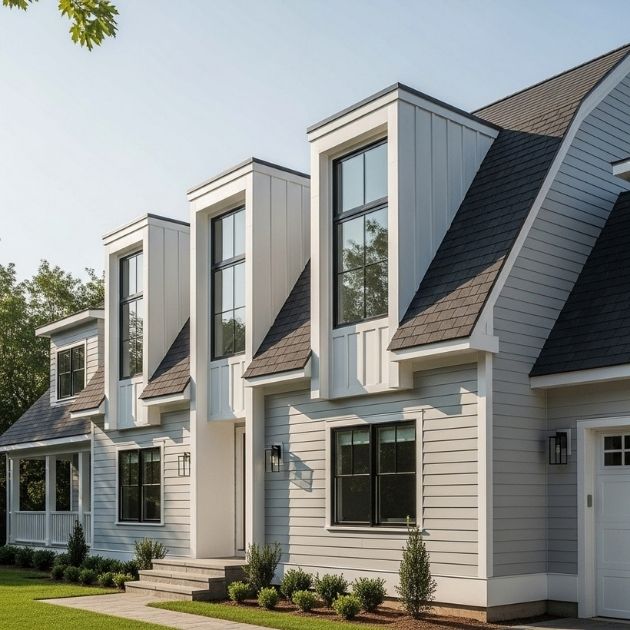
A through-the-cornice dormer, sometimes called a wall dormer, sits flush with the exterior wall of the home rather than projecting outward from the roof slope. This creates a smooth, flat-fronted appearance that feels more integrated with the wall than a traditional projecting dormer.
On a Cape Cod home, this style adds a subtle architectural detail that reads as sophisticated and restrained, making it popular in higher-end historic renovations.
These products might help:
- Flat fascia board trim in PVC or composite for clean cornice lines
- Recessed window frames designed for flush dormer installation
- Exterior caulk and paint systems for seamless wall-to-dormer transitions
Classic Gable Dormers
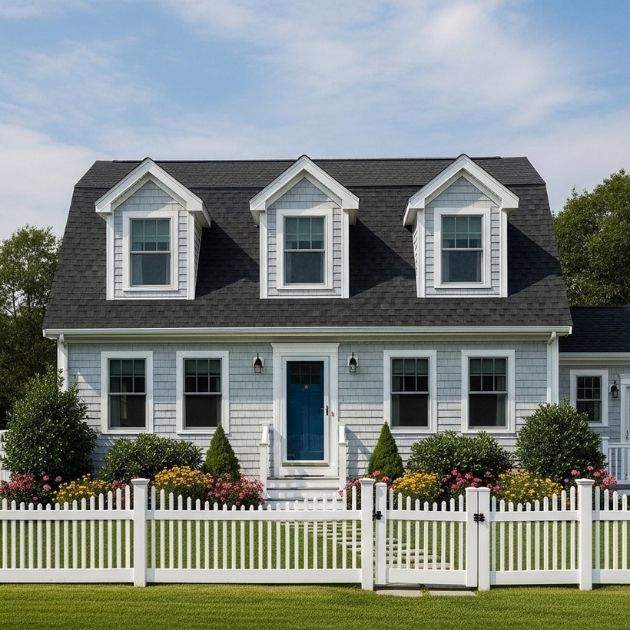
The gable dormer is the most recognized dormer type on Cape Cod homes, and for good reason. Its triangular roofline mirrors the main gable of the house, creating a harmonious, unified appearance. Gable dormers bring in strong natural light and provide enough headroom for a reading nook or small workspace beneath the window.
They are a versatile, timeless option that works equally well on historic renovations and new construction alike.
Possibly handy products:
- Roofing shingles in cedar shake style for authentic gable dormer tops
- Exterior wall lanterns to frame gable dormers with warm lighting
- Decorative shingle siding panels to match the main dormer body to the house
Functional Windows in Dormers
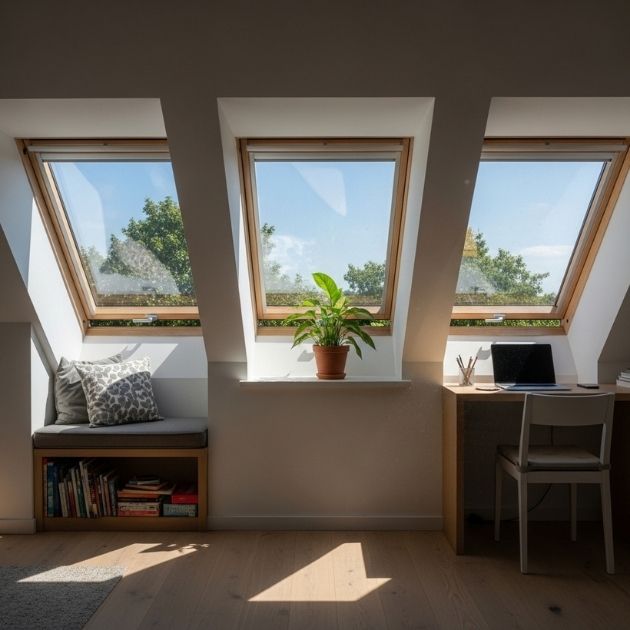
No matter which dormer style you choose, the window inside it deserves just as much thought as the structure itself. Double-hung windows allow for ventilation from both the top and bottom sash. Casement windows crank open fully for maximum airflow. In a bathroom dormer, frosted or privacy glass provides light without sacrificing seclusion.
Energy-efficient glazing is a must for any dormer window since the upper roof area tends to experience more temperature extremes than the main floor.
A few helpful options:
- Energy Star-rated double-pane casement windows for dormer openings
- Window privacy film for bathroom or bedroom dormer applications
- Adjustable interior window shutters for light and airflow control
Final Thoughts
Cape Cod dormers are one of the most rewarding architectural upgrades you can make to a home. They solve practical problems like limited headroom and poor natural light while simultaneously improving curb appeal and resale value. Whether you prefer the timeless symmetry of paired gable dormers, the dramatic impact of a full shed dormer, or the personality of colored glass accents, there is a design approach that fits your home and your lifestyle.
The key is to work with the home’s existing proportions, match materials carefully, and choose a placement that reinforces rather than fights the Cape Cod aesthetic. When all of those elements align, the result is a home that looks like it was always meant to have that dormer right there.