
Lent is one of the most reflective seasons on the Christian calendar, and the way a church looks during these forty days sets the tone for everyone who walks through the doors. A thoughtfully decorated sanctuary quietly reminds the congregation that this is a season of penance, humility, and preparation for Easter. The good news is that Lenten decor does not need to be elaborate or expensive to be meaningful. In fact, simplicity is the whole point.
Below you will find creative, budget friendly, and symbol rich ideas for decorating your church during Lent, along with practical product suggestions for each idea. Whether you are on the altar guild, part of a decorating committee, or simply looking for inspiration for your own parish, these ideas are rooted in tradition while still feeling fresh and easy to execute.
Crown of Thorns Display

A crown of thorns is one of the most recognizable symbols of Lent. Placed on the altar, near the entrance, or on a small pedestal in the narthex, it immediately draws attention to the sacrifice at the center of the season. Many churches like to rest the crown on a piece of purple fabric or a simple wooden stand so it becomes a natural focal point without needing anything else around it. Some congregations add a single unlit candle beside it that is lit during Holy Week, giving the display a sense of movement across the season.
A few helpful options:
- Artificial crown of thorns made from twisted vines or wire wrapped in thorny branches
- A small decorative wooden altar stand to elevate the display
- A square of purple fabric or velvet to set underneath
- A single pillar candle to place beside the crown
Natural Stone and Branch Arrangement

Stones and branches bring the wilderness imagery of Lent right into the sanctuary. This look works especially well near the altar, at the base of a cross, or along a windowsill. The rough, unpolished texture of river stones paired with bare branches echoes the desert setting where Jesus fasted for forty days, making it one of the most theologically rich yet visually simple choices available.
These products might help:
- Decorative river stones or smooth landscaping rocks
- Natural or artificial bare branches
- A shallow ceramic or wooden tray to hold the arrangement
- Fine sand or gravel to build a desert like base
Palm Arrangements
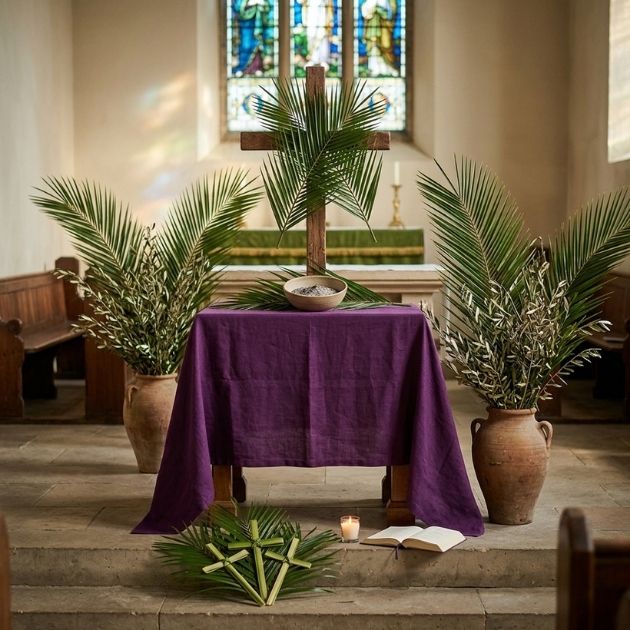
While palms are most associated with Palm Sunday, incorporating dried or woven palm fronds earlier in Lent can visually connect the season to the journey toward Christ’s entry into Jerusalem. Palms can be draped across a wooden cross, tied into simple bundles, or laid flat near the altar rail. This is also a wonderful opportunity to involve children or youth groups in weaving palm crosses ahead of time.
Consider these options:
- Dried palm fronds sold in bundles
- Woven palm crosses for pews or the altar rail
- Ribbon or twine for tying palm bundles together
- A rustic wooden cross to drape the palms across
Candles for Spiritual Ambiance

Few elements shape the mood of a worship space like candlelight. Dimmed lighting combined with a path or cluster of candles creates a contemplative atmosphere that suits the solemnity of Lent perfectly. Candle pathways leading to the altar, or a cluster of varying heights around a central cross, both work well and require very little upkeep once set up.
Possibly helpful picks:
- Flameless LED pillar candles for safety near fabric
- Traditional beeswax altar candles
- Votive candle holders in varying heights
- Purple or amber toned glass candle holders for a warm glow
Dried Tree Display

A dried tree, whether a real branch structure or an artificial version, is a striking centerpiece that captures Lent’s wilderness theme in one simple gesture. Placed in a large urn or vase near the altar, it becomes a quiet but powerful visual anchor for the whole sanctuary. Many churches leave it bare for most of Lent and only add small paper prayers or ribbons to it closer to Easter.
Explore these options:
- Artificial dried tree branches in varying sizes
- A large weighted urn or vase to anchor the display
- Decorative stones to hide the base and stabilize the branches
- Small tags or ribbons for congregational prayers
Purple Banners and Fabrics

Purple is the liturgical color of Lent, symbolizing penance, royalty, and preparation. Draping purple fabric over the pulpit, lectern, altar, and entryways is one of the fastest ways to visually shift the whole church into the Lenten season. Some parishes also introduce muted grays, deep blues, or soft whites alongside the purple to keep the color palette calm rather than overwhelming.
Might be a good match:
- Purple altar cloths and paraments
- Fabric banners with simple Lenten symbols
- Draped purple linens for the lectern and pulpit
- Muted gray or blue accent fabrics for contrast
Rustic Wooden Crosses
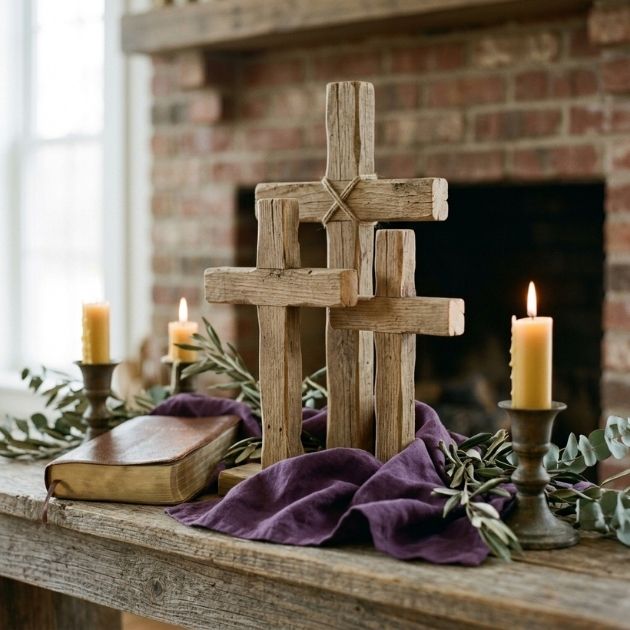
A simple wooden cross, free of ornamentation, speaks volumes during Lent. Unlike the more decorative crosses used during Easter, a rustic and unfinished wooden cross reflects the humility of the season. These crosses can be leaned against the altar, hung on a bare wall, or laid across stones for a grounded, wilderness inspired look.
May just do the trick:
- Large rustic wooden cross for the altar or wall
- Small tabletop wooden crosses for side tables
- Twine or rope for a handmade, humble finish
- A stone base to anchor a standing cross
Simple Wreaths with Twigs and Purple Accents
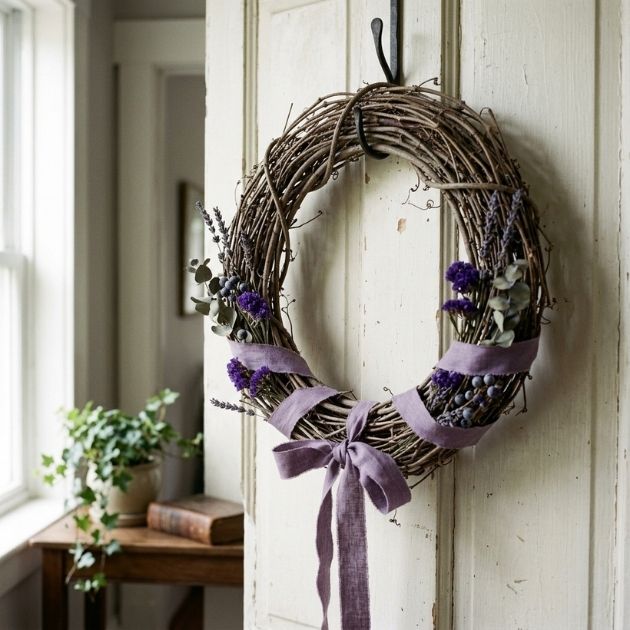
Wreaths are not just for the holidays. A simple wreath made from twigs, grapevine, or bare branches with a small purple ribbon accent is a quiet way to mark the entrance to the church. It sets expectations before anyone even steps inside, and it is easy to swap out for an Easter version once the season changes.
You might give these a try:
- Grapevine or twig wreath base
- Thin purple ribbon for a subtle accent
- Small artificial thorns or dried florals for texture
- A door hanger or hook for easy entrance display
Altar Centerpiece with Rocks and Candles
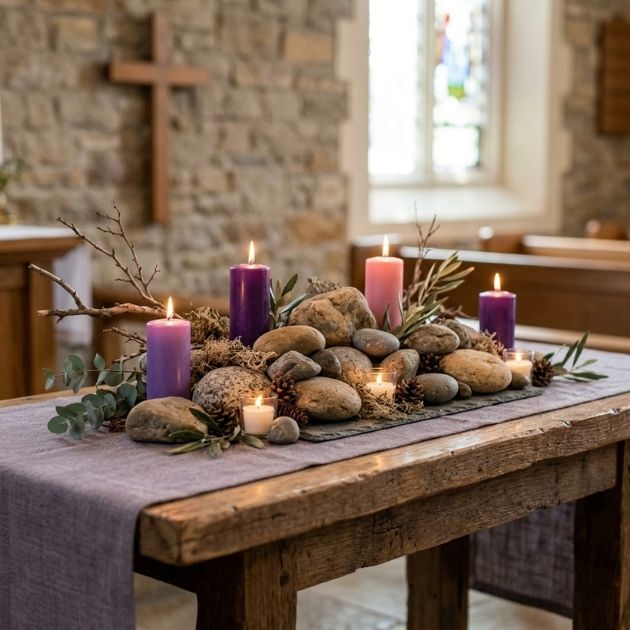
Combining rocks and candles at the center of the altar creates a layered, textured focal point that feels both natural and reverent. The rocks represent the desert wilderness, while the candles add warmth and light, a visual reminder that even in a season of penance, hope is present. This pairing also photographs beautifully for church bulletins or social media if your parish shares updates online.
A few choices to try:
- Assorted decorative stones in varying sizes
- Pillar candles of different heights
- A wooden or stone tray to contain the arrangement
- A small cross to place at the center
Vase of Bare Branches
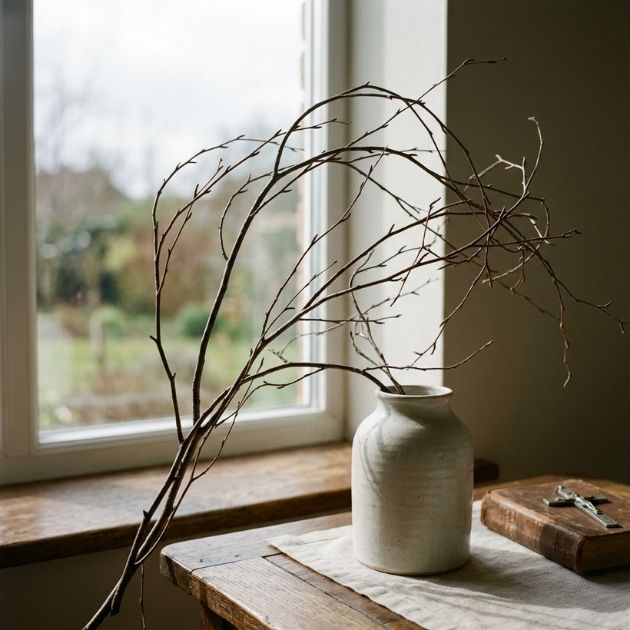
A single large vase filled with bare branches is one of the simplest yet most elegant Lenten displays available. It requires almost no maintenance, fits nearly any altar size, and instantly communicates the stripped down, reflective mood of the season. This idea also works well in entryways or fellowship halls where a smaller decorative touch is needed.
A few suggestions:
- Large decorative ceramic or glass vase
- Artificial or real bare branches
- A wooden display base for added height
- Small stones to weigh down and stabilize the vase
Minimalist Table Runner in Purple
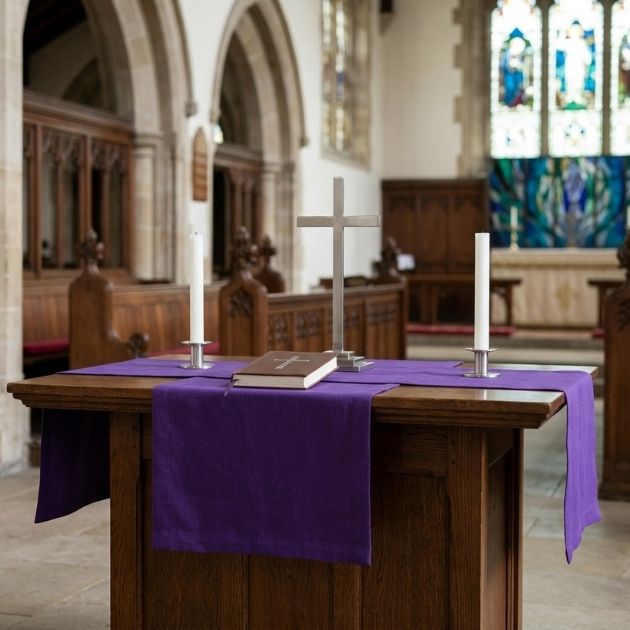
Sometimes the smallest changes make the biggest impact. Swapping a full altar cloth for a simple purple table runner keeps the look understated while still marking the liturgical season. This is a particularly good option for smaller churches or side altars where a full cloth might feel too heavy or formal.
Some handy options:
- Lightweight purple table runner in cotton or linen
- Cheesecloth runner for a softer, textured look
- Simple purple altar cloth for smaller surfaces
- Coordinating napkins or trim for fellowship tables
Layered Rocks and Moss
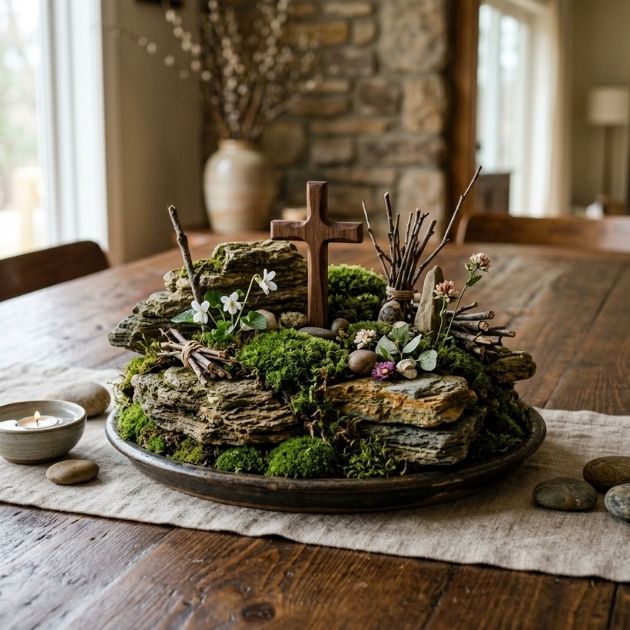
For a slightly more organic and textured look, layering rocks with patches of moss adds depth to any Lenten display. This combination works particularly well at the base of a cross or tree display, giving the arrangement a sense of having grown naturally over time rather than being assembled for the occasion.
Maybe worth checking out:
- Preserved or artificial moss patches
- Mixed size decorative rocks
- A shallow tray or platform base
- Small dried branches to tuck into the moss
Rustic Candlestick Display
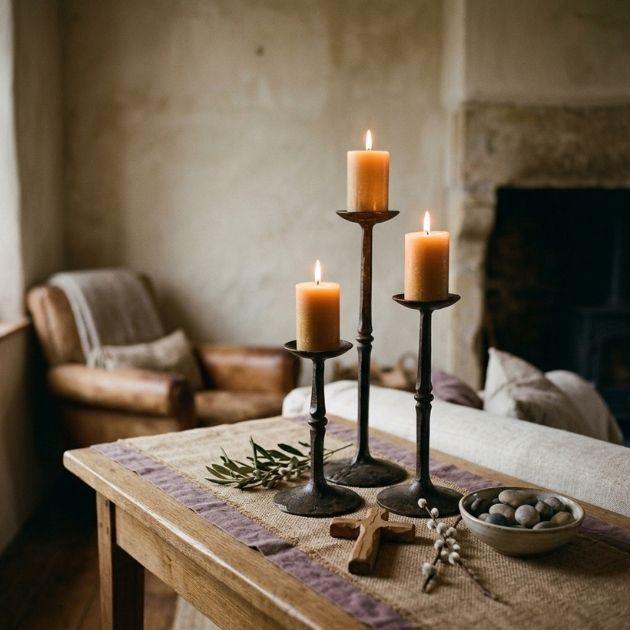
Instead of matching, uniform candle holders, consider a collection of mismatched rustic candlesticks in wood, iron, or weathered metal. This kind of display feels handcrafted and grounded, which suits Lent’s themes of humility far better than polished, formal candelabras.
Useful items to consider:
- Weathered wood candlestick holders
- Wrought iron candle stands
- Assorted pillar and taper candles
- A wooden tray to group the candlesticks together
Simple Burlap Accents
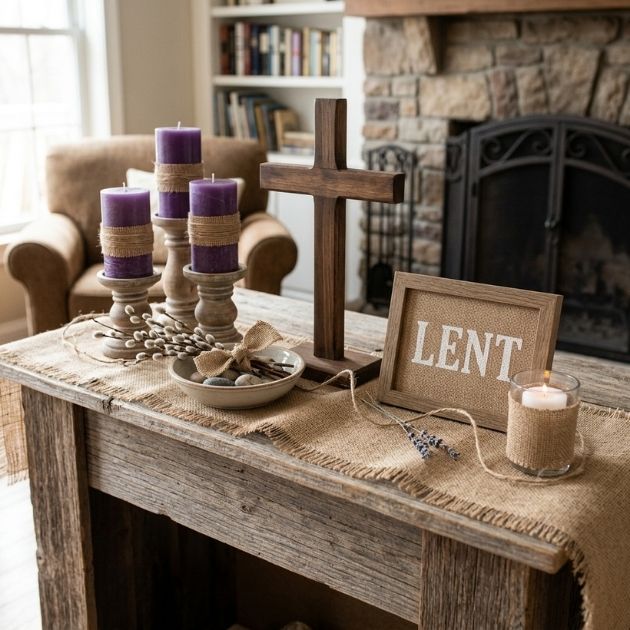
Burlap is inexpensive, texturally interesting, and instantly reads as humble and rustic, making it a natural fit for Lent. Use it as a table runner, wrap it around vases, or layer it beneath other decorative elements to add warmth without adding visual clutter.
A few things you might like:
- Burlap table runners or fabric rolls
- Burlap ribbon for wrapping vases or crosses
- Twine to secure burlap wraps
- Small burlap bags for prayer cards or offerings
Textured Wall Hangings
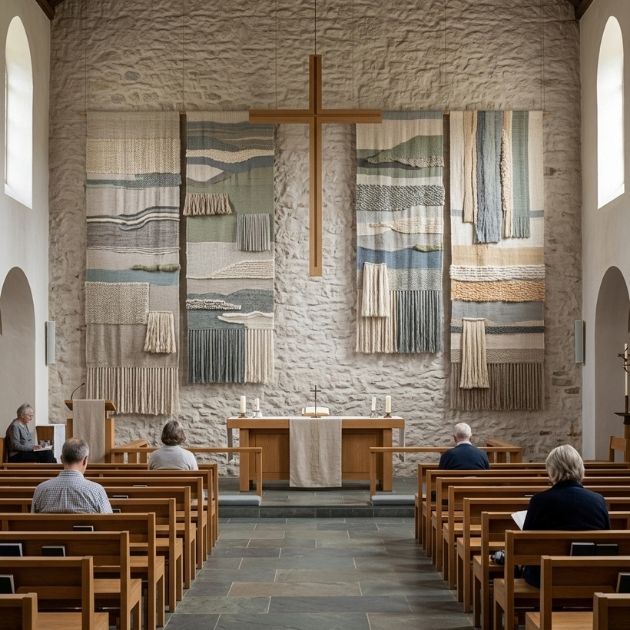
A textured wall hanging, whether woven, fabric based, or made from natural materials like jute, adds visual interest to bare walls without competing with the altar’s focal points. These pieces work especially well in fellowship halls, hallways, or smaller prayer spaces where a large floor display is not practical.
Possibly handy products:
- Woven jute or macrame wall hangings
- Fabric banners with simple Lenten imagery
- Wooden dowels for hanging fabric pieces
- Removable adhesive hooks for wall mounting
Corner of Contemplation
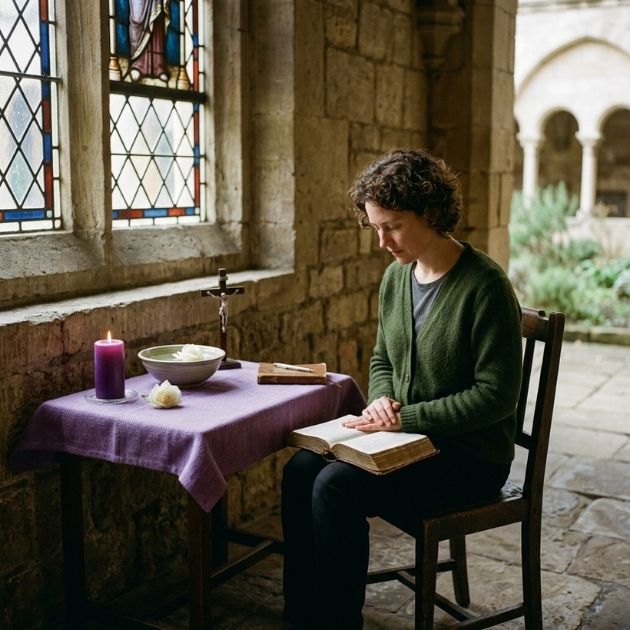
Not every Lenten decoration needs to be near the altar. Setting up a small corner of contemplation, with a simple chair, a cross, and a side table, invites individual moments of prayer and reflection outside of formal services. This is a wonderful addition to a chapel, side room, or quiet corner of the sanctuary.
Items that may come in handy:
- A comfortable, simple wooden chair
- A small decorative cross for the table
- A round wooden side table for books or candles
- A small reading lamp or battery operated candle
Frequently Asked Questions
What colors are traditionally used for Lent church decorations?
Purple is the primary liturgical color, symbolizing penance and preparation, though some churches add muted grays, blues, or whites for a calmer feel.
How can I decorate my church for Lent on a small budget?
Use natural materials like branches, stones, and burlap, repurpose existing fabrics, and involve the congregation in making simple crosses or banners.
When should Lenten decorations go up?
Most churches change their decor beginning on Ash Wednesday, the official start of the Lenten season.
Should crosses and statues be covered during Lent?
Traditionally, crosses and images are veiled starting on Passion Sunday, the fifth Sunday of Lent, and remain covered until Good Friday or the Easter Vigil depending on the item.
Are flowers appropriate during Lent?
Fresh flowers are generally avoided or minimized during Lent to reflect the season’s simplicity, with a few exceptions on feast days like Laetare Sunday.
Can children help with Lenten church decorations?
Yes, tasks like weaving palm crosses, writing prayer cards, or arranging branches are great ways to involve children in a meaningful and age appropriate way.
How is Lent decor different from Easter decor?
Lent decorations are intentionally sparse and somber to reflect penance, while Easter decor is bright, floral, and celebratory to mark the resurrection.
Final Thoughts
Decorating a church for Lent is less about filling a space and more about creating room for reflection. Every element, from a simple crown of thorns to a quiet corner of contemplation, should point the congregation toward the themes of sacrifice, humility, and hope that define this season. Start planning early, involve your community where you can, and remember that the most powerful Lenten decorations are almost always the simplest ones. A single bare branch or a length of purple fabric, placed with intention, can say more than an elaborate display ever could.