
If you own a tiny house, you already know that skirting is not just a finishing touch. It is the barrier between your floor and the freezing wind underneath your home. Good skirting keeps pipes from bursting, blocks pests, cuts your heating bills, and makes your tiny home look complete instead of “parked.”
The tricky part is choosing a style that matches your budget, climate, and taste. Some owners want rustic charm. Others want a sleek, modern finish that hides the trailer frame completely. Whatever your goal, there is a skirting idea on this list that will fit.
Below, you will find 15+ creative tiny house skirting ideas, along with practical product suggestions for each style, so you can compare options and start your project with confidence.
Textured Pebble Skirting
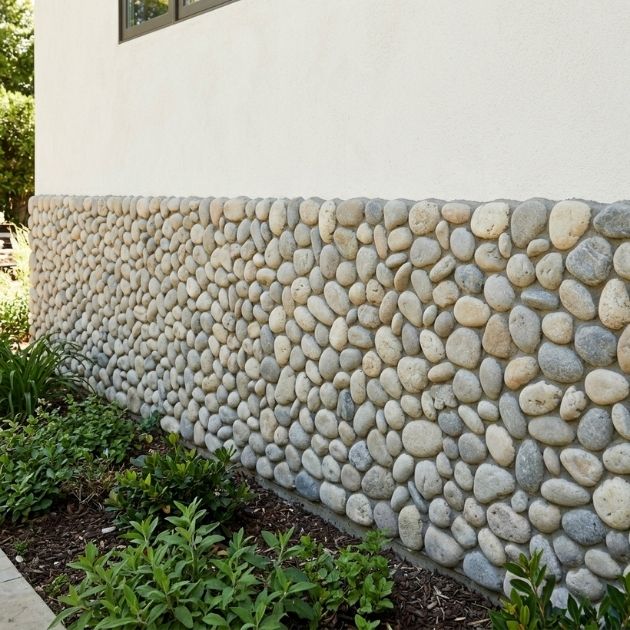
Pebble skirting gives your tiny house a natural, earthy look that blends beautifully with a wooded lot or a garden setting. Small stones are set into an adhesive base or a metal mesh backing, creating a textured surface that hides the trailer undercarriage while letting a small amount of airflow pass through.
This style works well in warmer climates since pebbles do not offer much insulation on their own. Pair it with foam board behind the stones if you live somewhere with real winters.
Some handy options:
- Decorative garden pebbles for a natural, earthy texture
- Outdoor-rated skirting panels designed for a seamless finish
- Weatherproof adhesive built to hold stones securely through rain and freeze-thaw cycles
Embrace the Rustic with Wooden Skirting
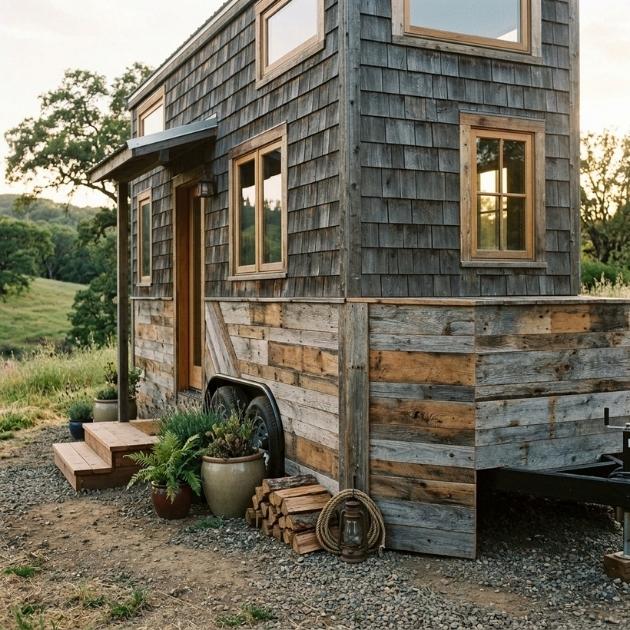
Wood skirting is one of the most popular choices among tiny house owners because it matches the cabin-style look that so many tiny homes already have. Reclaimed barn wood, cedar planks, or treated pine boards all work well and add real insulation value when installed tightly.
Horizontal wood panels give a modern farmhouse feel, while vertical board-and-batten styles lean more traditional. Just remember to seal the wood, since ground moisture can cause rot over time.
You might give these a try:
- Reclaimed barn wood panels for authentic rustic charm
- Pressure-treated pine boards rated for ground contact
- Exterior wood sealant to protect against moisture and pests
Modern Elegance with Metal Skirting
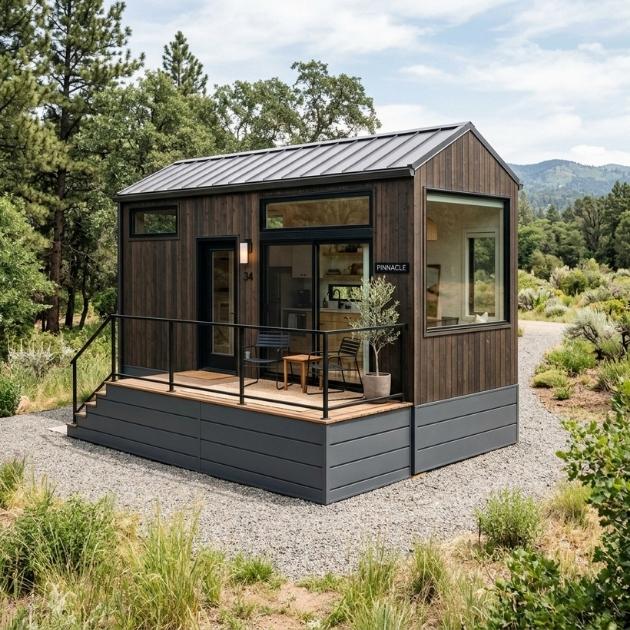
Metal skirting suits owners who want a clean, contemporary exterior with almost no maintenance. Aluminum and steel panels resist rot, insects, and fire, which makes them a smart pick for tiny houses in dry or wildfire-prone regions.
Metal panels also come in brushed, matte, or powder-coated finishes, so you are not stuck with a plain industrial look. Many manufacturers offer pre-cut panels sized for standard trailer heights, which speeds up installation.
Some ideas to consider:
- Powder-coated aluminum skirting panels for a sleek finish
- Galvanized steel trim for added durability
- Rust-resistant fasteners built for outdoor metal installation
Classic Beauty with Stone Veneer
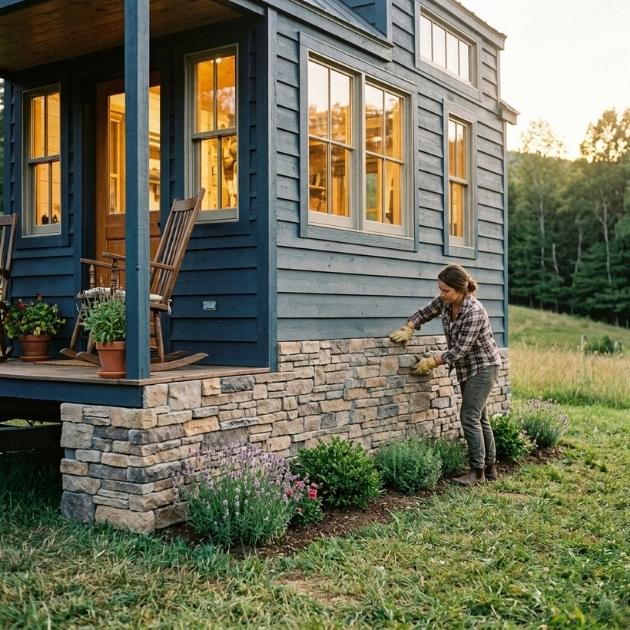
Stone veneer gives you the look of stacked river rock or fieldstone without the weight, cost, or masonry skills that real stone demands. It attaches directly to a plywood or foam backing, so installation is far easier than traditional stonework.
Beyond looks, stone veneer holds up well against wind and rain, and when paired with a foam backer, it adds a noticeable insulation boost.
Check if these fit your needs:
- Lightweight stone veneer panels for exterior skirting
- Faux stone siding kits for a classic, upscale appearance
- Insulated backing boards to pair behind the veneer
Airy Elegance with Lattice Skirting
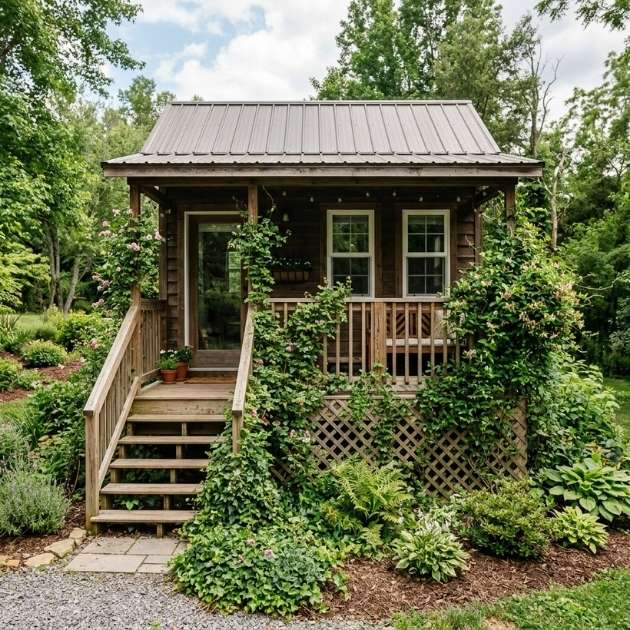
Lattice skirting is a favorite for owners who want ventilation more than insulation. The crisscross pattern allows air to circulate under the house, which helps prevent moisture buildup and wood rot in humid climates.
It also doubles as a trellis for climbing plants like ivy or morning glory, turning a purely functional feature into a living design element.
Might be a good match:
- Vinyl or wood lattice panels sized for skirting height
- Expandable garden trellis add-ons for climbing plants
- Corner trim kits for a finished, professional edge
DIY Charm with Fabric and Canvas Skirting
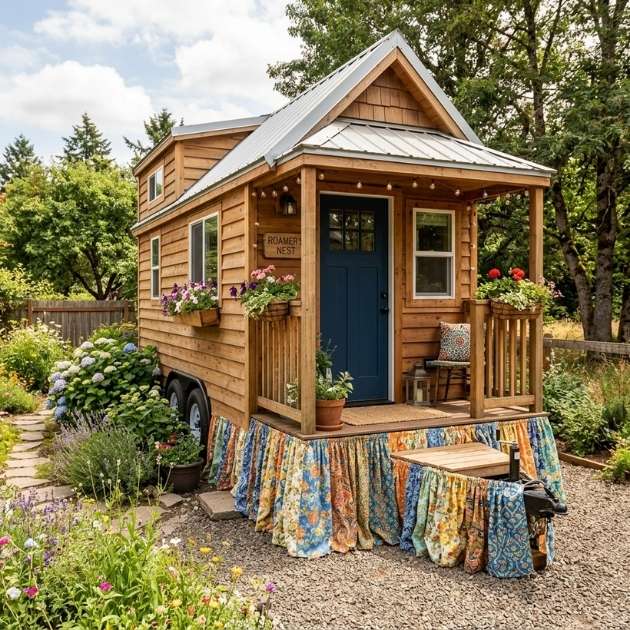
Fabric skirting is the go-to option for renters, seasonal tiny house parking, or anyone who wants to change their look without permanent construction. Heavy-duty canvas or vinyl-coated fabric wraps around the base and attaches with grommets, snaps, or hook-and-loop strips.
This method is lightweight, affordable, and easy to remove before towing your tiny house to a new location.
Possibly helpful picks:
- Weather-resistant canvas fabric in solid colors or patterns
- Heavy-duty adhesive hook-and-loop strips for quick attachment
- UV-resistant vinyl-coated fabric for long-term outdoor use
Eco-Friendly Hay Bales
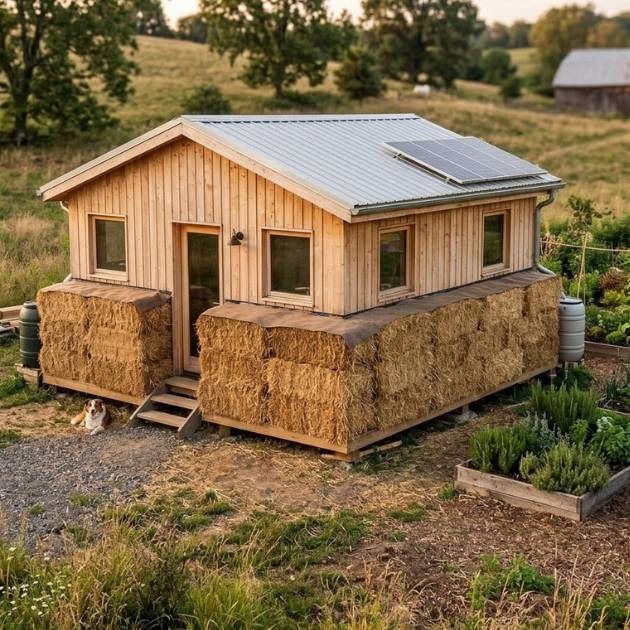
Hay bale skirting is one of the cheapest and most eco-conscious options available. Stacked bales create a thick insulating wall around your tiny house, and once the season ends, the hay can be composted or used elsewhere on the property.
That said, hay bales carry real risks. They are highly flammable and can attract rodents, so this option works best as a short-term winter solution rather than a permanent fixture.
A few helpful options:
- Fire-retardant spray formulated for natural fibers
- Rodent deterrent pouches to place near the base
- Waterproof tarp covers to keep bales dry during rain
Innovative Snow Skirting
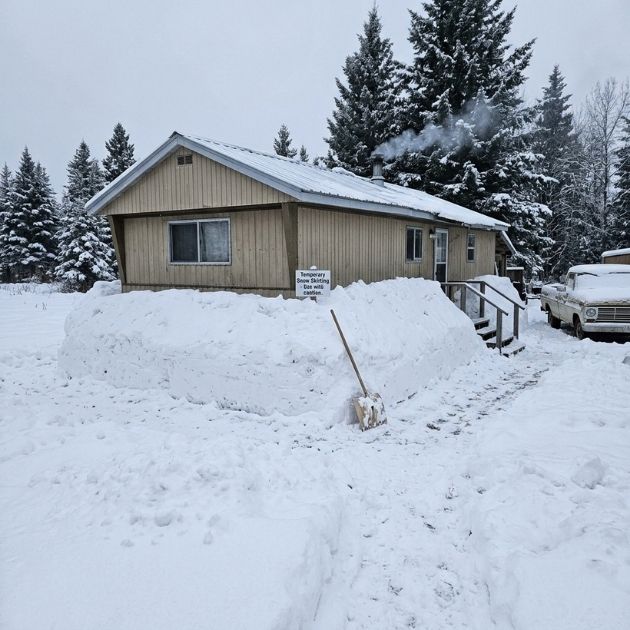
For tiny house owners in snowy regions, packed snow itself can act as a free, effective insulator. Piling and compacting snow tightly around the base blocks wind and traps a layer of insulating air, similar to how igloos stay warm.
The obvious downside is that this only works while snow is consistently present. As soon as it melts, you lose your insulation, so most owners treat this as a backup rather than a primary strategy.
Give these a look:
- Snow shovels and tampers for even packing
- Wind-blocking tarps to hold snow in place during storms
- Temporary foam boards as backup once snow melts
Versatile Vinyl Skirting
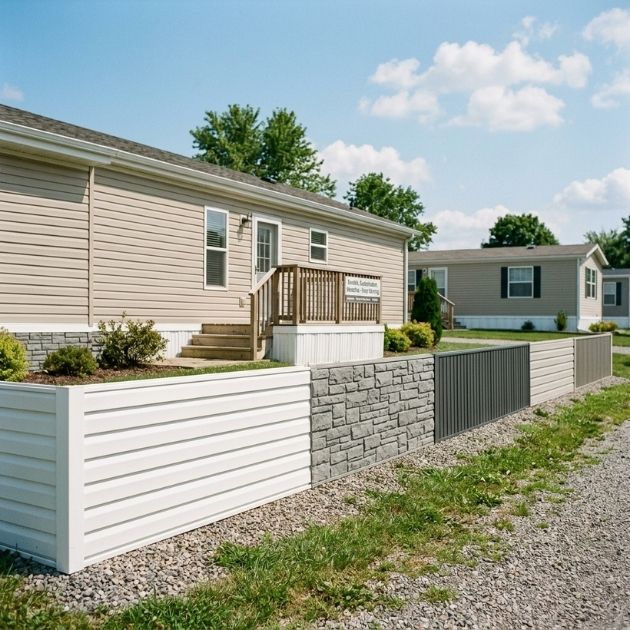
Vinyl skirting remains one of the most practical choices because it is lightweight, affordable, and easy to install without special tools. Many kits use a track-and-panel system, so you simply measure your tiny house perimeter and snap the pieces into place.
Since vinyl skirting can be removed and reinstalled, it is also a strong option for tiny house owners who move locations more than once a year.
Useful items to consider:
- Vinyl skirting panel kits sized to your trailer dimensions
- Keder track systems for a secure, snap-in installation
- Decorative vinyl trim to finish the top and bottom edges
Chic Fabric Panels
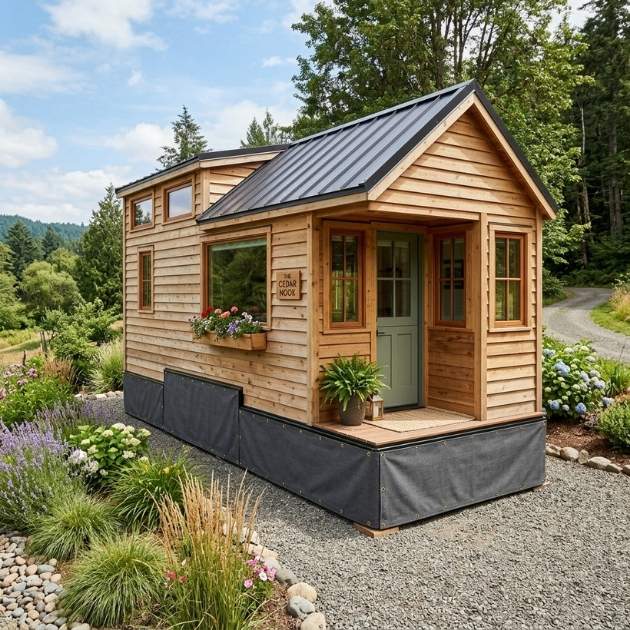
Different from basic canvas wraps, fabric panels are designed with a more polished, curtain-like appearance. They hang from adjustable rods and can be swapped seasonally, letting you change your tiny house’s exterior mood with minimal effort.
This option suits owners who enjoy redecorating and want flexibility without committing to permanent materials.
Products that could assist:
- Outdoor weather-resistant fabric in decorative patterns
- Adjustable curtain rods rated for exterior use
- Heavy-duty fabric clips for a secure, wind-resistant hold
Natural Bamboo Skirting
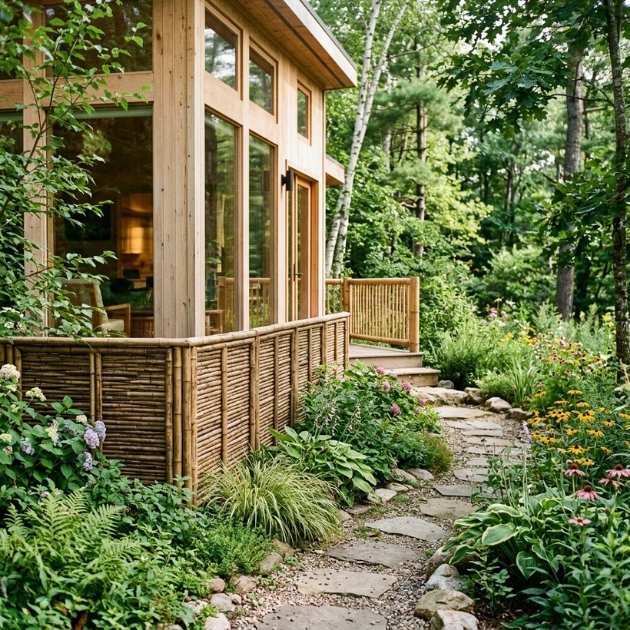
Bamboo skirting brings a tropical, spa-like aesthetic while staying on the eco-friendly side of the spectrum, since bamboo regrows far faster than hardwood trees. Bamboo panels or rolled bamboo fencing can be mounted onto a simple wood frame for a warm, textured look.
Sealing the bamboo is important, as untreated bamboo can absorb moisture and warp over time.
A few relevant products:
- Rolled bamboo fencing panels for quick coverage
- Bamboo-specific sealant to prevent moisture damage
- Galvanized wire ties for mounting bamboo to a frame
Elegant Cedar Panels
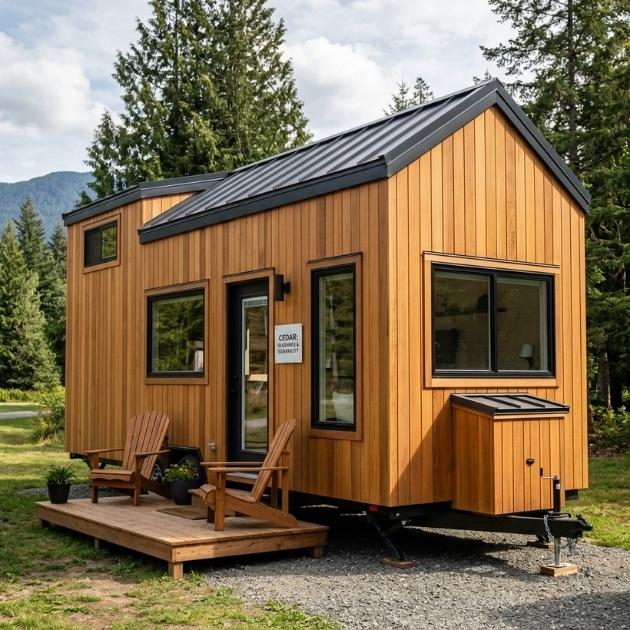
Cedar is prized for its natural resistance to rot, insects, and decay, making it one of the more durable wood options for tiny house skirting. It also has a rich, reddish tone that ages into an attractive silver-gray patina if left unsealed.
Cedar panels pair especially well with tiny homes that already feature wood siding, creating a cohesive look from top to bottom.
May just do the trick:
- Tongue-and-groove cedar panels for a tight, finished fit
- Cedar-safe exterior stain or sealant
- Stainless steel screws to prevent rust streaks on the wood
Minimalistic Corrugated Metal Panels
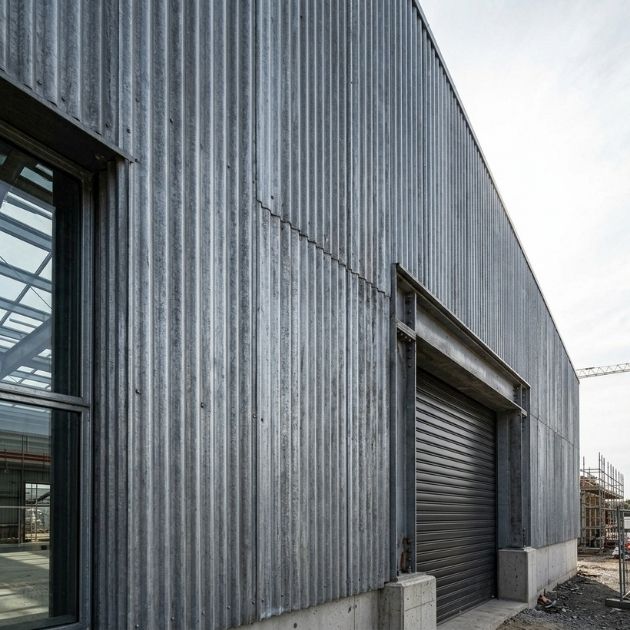
Corrugated metal offers an industrial, minimalist look that has become popular in modern tiny house design. The ridged panels are lightweight, inexpensive compared to flat metal sheeting, and highly resistant to weather damage.
This style pairs well with black-framed windows and steel roofing for a cohesive, contemporary exterior.
Consider these options:
- Corrugated galvanized steel panels in standard skirting sizes
- Rubber washer screws to prevent leaks at fastening points
- Black trim edging for a clean, modern border
Whimsical Painted Designs
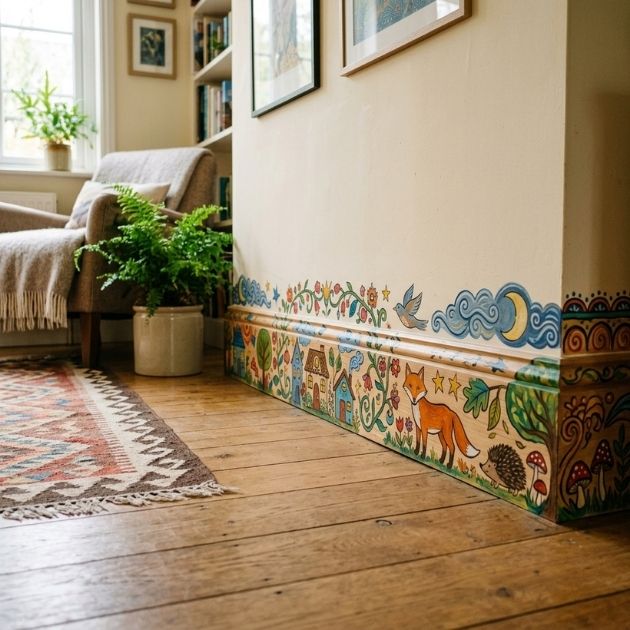
If you already have plywood, metal, or vinyl skirting in place, painted designs are an inexpensive way to add personality without replacing materials. Murals, geometric patterns, or simple color blocking can transform a plain skirt into a conversation piece.
This option works best as an upgrade to existing skirting rather than a standalone material choice.
Possibly handy products:
- Exterior-grade acrylic paint in weatherproof formulas
- Stencil kits for geometric or nature-inspired patterns
- Clear protective topcoat to prevent fading and chipping
Innovative Living Wall Skirting
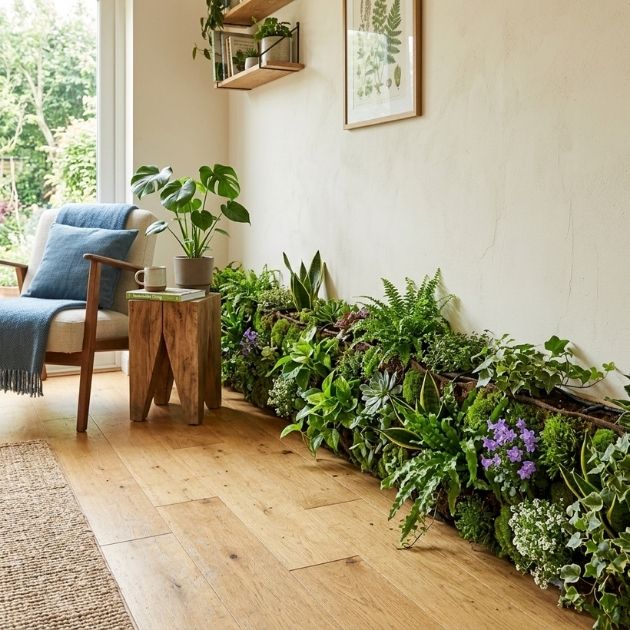
A living wall uses planter boxes or vertical garden panels to turn your tiny house base into a growing green space. Herbs, succulents, or trailing plants soften the exterior and add a striking visual feature that few other skirting styles can match.
Keep in mind that living walls need drainage planning and occasional watering, so this option suits owners who enjoy a bit of ongoing garden maintenance.
Check these products out:
- Modular vertical planter panels for skirting-height coverage
- Drip irrigation kits for low-maintenance watering
- Drainage matting to prevent water pooling at the base
Frequently Asked Questions
What is the cheapest skirting option for a tiny house?
Hay bales and DIY rigid foam board are typically the least expensive options, though foam offers better long-term durability and lower fire risk.
Does tiny house skirting really improve insulation?
Yes. Skirting blocks cold wind from reaching your floor and pipes, which reduces heat loss and can noticeably lower heating costs in winter.
Can I install skirting myself without professional help?
Most vinyl, wood, and lattice skirting kits are designed for DIY installation using basic tools like a screw gun, tape measure, and utility knife.
How do I stop moisture from building up under my skirting?
Add vents or gaps in solid skirting materials, such as lattice sections or dedicated vent covers, to allow airflow and prevent mold or wood rot.
Is metal or vinyl skirting better for cold climates?
Both work well, but insulated vinyl panels or metal skirting backed with foam board offer stronger protection against freezing temperatures.
Final Thoughts
Skirting is one of the smartest upgrades a tiny house owner can make. It protects your pipes, lowers your energy bills, and gives your home a finished, polished look that stands out on any lot. Whether you lean toward the rustic warmth of cedar and reclaimed wood, the sleek finish of metal panels, or the eco-conscious appeal of hay bales and living walls, there is a skirting style here to match your climate, budget, and personal taste.
Take stock of your local weather, your budget, and how often you plan to move your tiny house, then pick the option that checks the most boxes. A well-chosen skirt does more than hide your trailer frame. It protects your investment and makes your tiny house feel like a real, permanent home.